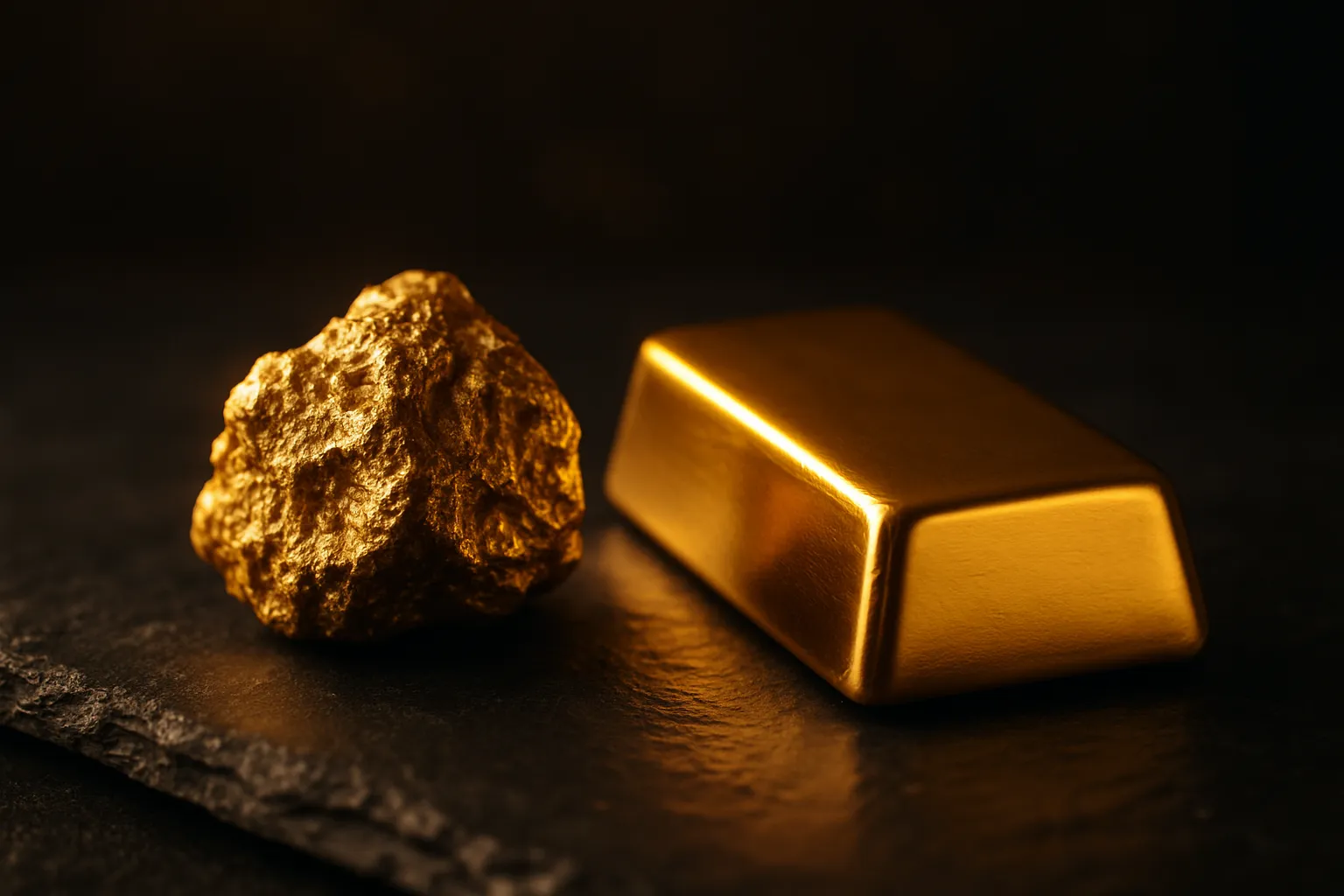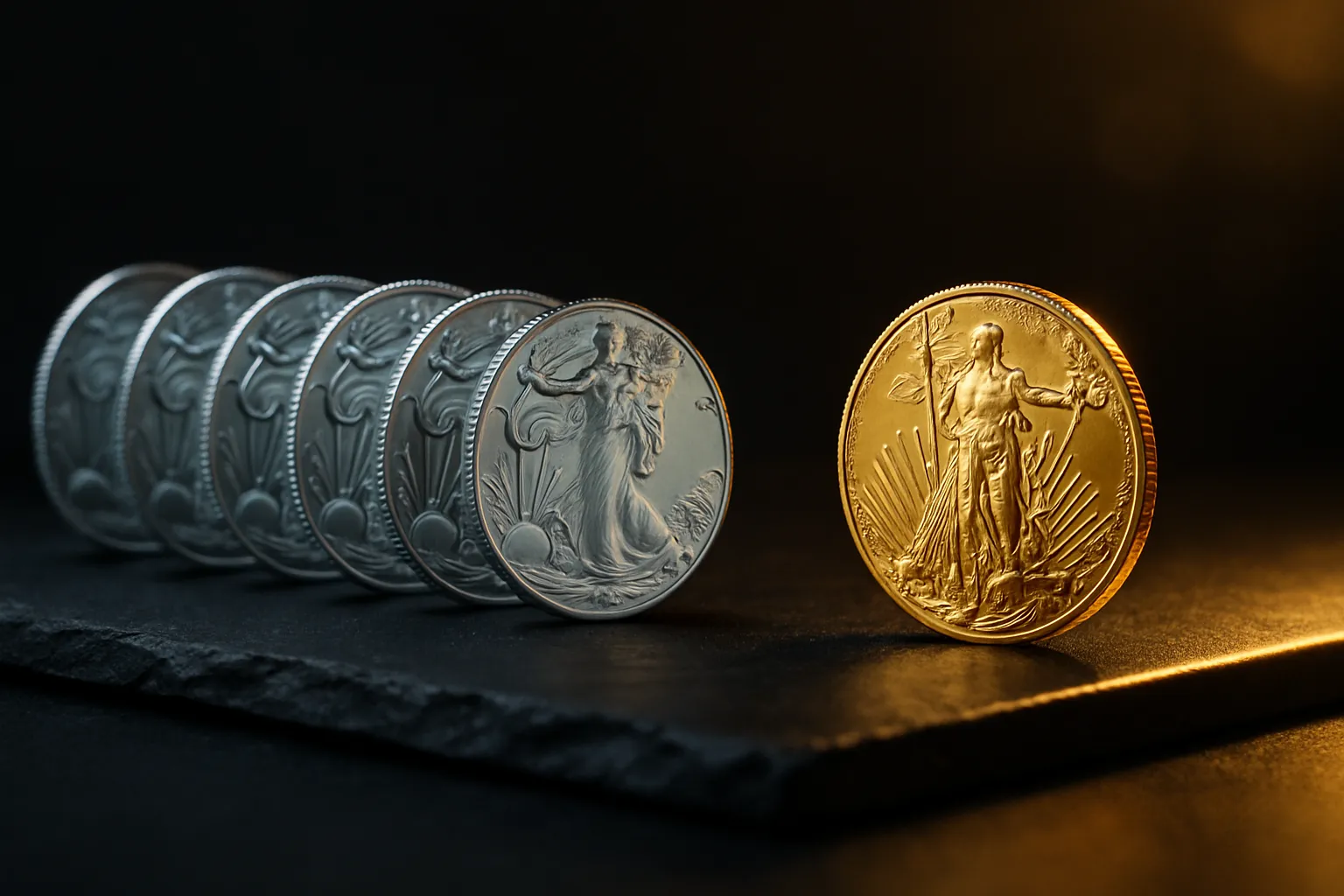
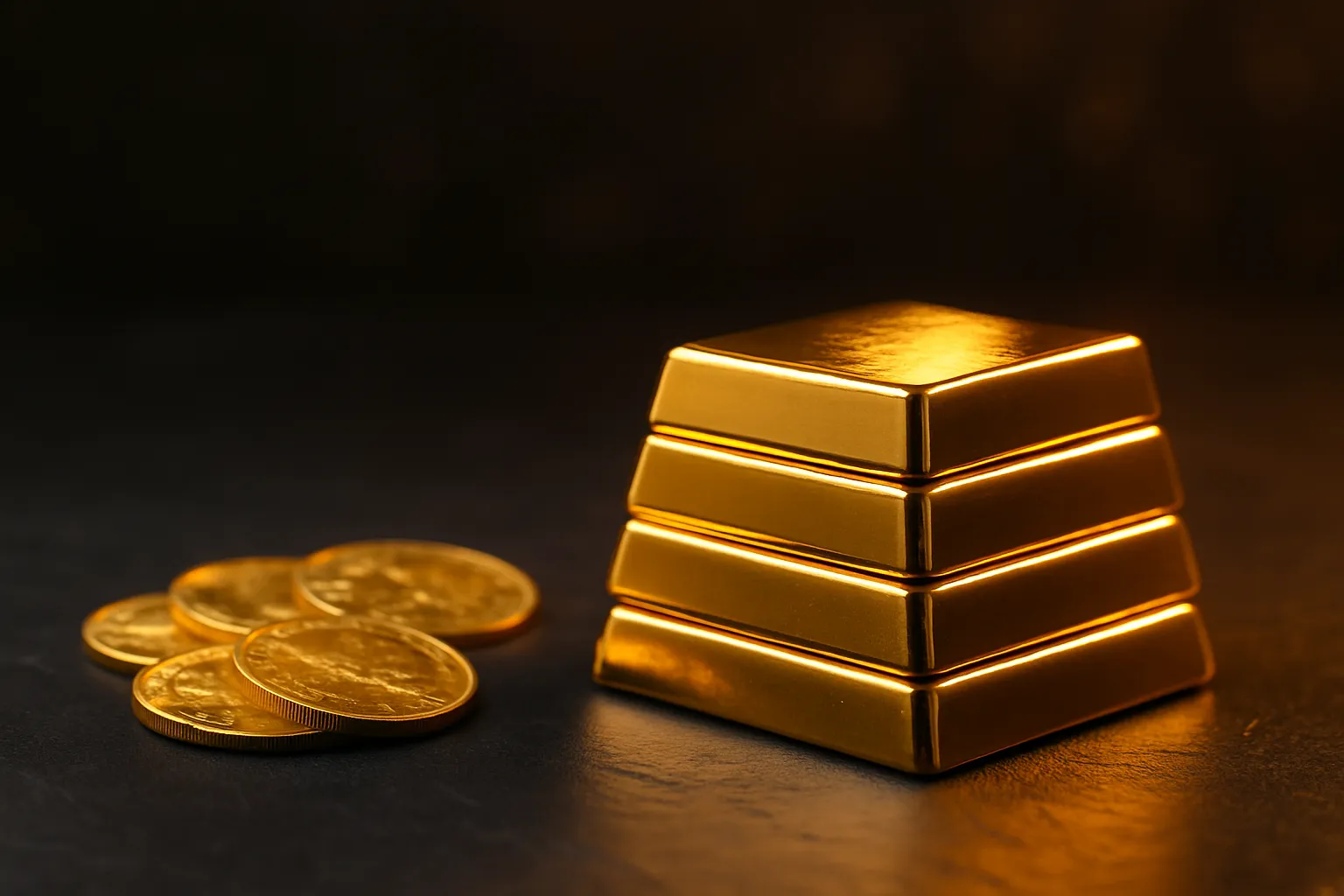
With gold trading near record highs in 2026 — north of $4,000 an ounce for much of the year — the gap between a smart purchase and a wasteful one has never been wider in dollar terms. Pay a "small" 5% premium on an ounce and that's roughly $200 gone before your metal even ships. The good news: buying cheaply isn't complicated. It comes down to one number, a short list of formats, and avoiding a few traps. Here's how to get the most gold for your money.
Forget the sticker price. Watch the premium.
Physical gold has two prices layered together. The spot price is the live global benchmark for an ounce of pure metal — the wholesale reference everything is quoted against. The premium is what you pay above spot, and it's where all the difference lives. Always compare products by premium as a percentage of spot, never by the dollar sticker, because at $4,000 gold a 2% coin and a 6% coin can look similar on the shelf and cost you hundreds of dollars apart.
Premiums exist for real reasons: refining and fabrication, the labour and dies to mint a coin, government mint fees, dealer margin, and plain supply and demand. Smaller items cost nearly as much to make as large ones but hold less gold, so their premium as a percentage is always higher. That single fact drives almost everything below.
The premium ladder, cheapest to most expensive
| Format | Typical 2026 premium over spot |
|---|---|
| Large cast bars — 1 kilo, 100 g, 10 oz | ~1–3% (kilo bars often under 1.5%) |
| 1 oz minted bars — PAMP, Valcambi, Metalor, Credit Suisse | ~2–4% |
| Low-premium 1 oz coins — Krugerrand, Philharmonic, Maple | ~3–6% |
| Higher-premium 1 oz coins — American Eagle, Britannia | ~4–8% |
| Fractional coins & small bars — 1/10 oz, 1–5 g | ~8–20%+ (1 g bars can be 15–30%) |
| Proof, graded & "commemorative" coins | Large numismatic markups — avoid for value |
The pattern is blunt: bigger and plainer is cheaper. A one-kilo cast bar can sit under 1.5% over spot; the same ounce of gold in a fancy 1 gram bar can cost 20% or more. If cost-per-ounce is the only thing you care about, large bars win outright — but they come with trade-offs we'll get to.
The cheapest coins
If you want coins — and most people do, for good reasons — the value picks are the classic low-premium trio: the Krugerrand (usually the single cheapest, often 3–5%), the Vienna Philharmonic (2–5%) and the Canadian Maple Leaf (3–6%). The American Eagle and Britannia are lovely coins but carry a home-market demand premium that puts them at the pricier end. Buying "any-year" secondary-market coins rather than the current year can shave the premium further, because you're not paying for a fresh mint run.
What to avoid
The fastest way to overpay is to buy the wrong category of gold entirely:
- Proof and graded coins sold "for the premium" — the numismatic markup rarely comes back on resale unless you're a genuine collector who knows the market.
- "Commemorative," coloured or novelty coins pushed as investments. They're gifts, not bullion.
- TV-shopping-channel gold, mailer offers and pawn/jewellery counters. Convenience you pay dearly for.
- Tiny fractionals by default. They have a place — gifting, tight monthly budgets, barter-minded stackers — but as a way to accumulate ounces they're the most expensive route there is.
And whatever you buy, buy real bullion from a real dealer. Counterfeits target bargain-hunters; our guide on spotting a fake gold bar explains why provenance beats any kitchen-table test.
The catch with chasing the lowest premium
Lowest premium isn't automatically "best." A kilo bar is the cheapest gold you can buy per ounce, but at 2026 prices that's well over $130,000 locked in a single object you can't sell in pieces. The trade-offs of going big:
- Divisibility. Coins let you sell one ounce at a time. A kilo bar is all-or-nothing.
- Liquidity. The pool of buyers for a kilo bar is smaller than for a Krugerrand, especially if you need cash quickly.
- Authentication. A cast or foreign bar may need an assay check before a dealer buys it back; recognised coins and sealed minted bars from names like PAMP or Valcambi don't.
- Spreads. Big bars have the tightest buy/sell spread, but only if you can find the right buyer.
We lay the whole thing out in gold coins vs gold bars. The short version: match the format to how you'll actually use it.
The best-value sweet spots
- Regular buyers / smaller budgets: low-premium 1 oz coins (Krugerrand, Philharmonic, Maple). The best blend of low premium, liquidity and the ability to sell one at a time.
- Larger lump sums, cost is king: 100 g or 1 kilo bars from a recognised refiner — the lowest premium available, if you can live with the divisibility trade-off.
- The middle path: a couple of 1 oz minted bars for cost efficiency plus a stack of low-premium coins for flexibility.
Seven ways buyers actually cut the cost
- Buy larger units. Premium falls as size rises — the single biggest lever.
- Buy common bullion, not numismatics. You want gold, not a collectible bet.
- Compare premium %, not sticker price, across dealers.
- Mind the full buy/sell spread, not just today's buy price — that's your real round-trip cost.
- Add on dips and when premiums compress. Premiums themselves move; buying when they're low stacks two savings.
- Use a lower-fee payment method. Credit cards often carry a 3%+ surcharge. Paying by bank transfer — or with crypto — usually avoids it.
- Buy secondary-market "any-year" coins where you don't need the current date.
Where crypto helps
Paying with crypto is one of the cleaner ways to keep premiums low: no card processing fee, a transparent premium quoted against live spot, and — at Bitgolder — a USD total that locks at checkout for the confirmation window, so a market move mid-payment doesn't cost you. You can put credit toward part of an order and pay the rest in Bitcoin, Monero or a stablecoin. Browse the lowest-premium options in the gold catalogue, from Krugerrands to minted bars, and see the full flow on our how-it-works page. Every order ships insured and discreet, with a 7-day buyback at live spot.
Frequently asked questions
What's the cheapest way to buy gold?
Buy the largest recognised bullion units you can afford — 100g or 1 kilo cast bars carry the lowest premiums, often under about 1.5% over spot. If you need divisibility, low-premium 1 oz coins such as the Krugerrand or Philharmonic are the best-value coins. Avoid fractionals and collectibles.
What is a gold premium?
The premium is what you pay above the spot (market) price, usually shown as a percentage. It covers refining, minting, mint fees and dealer margin. Always compare products by premium percentage, not the dollar sticker price.
Are gold bars cheaper than coins?
Usually yes, per ounce. Bars skip elaborate minting and collector demand, so they carry lower premiums than sovereign coins, and larger bars are cheapest of all. Coins offer better divisibility and easier resale in parts.
Is it cheaper to buy bigger gold bars?
Yes. Premium as a percentage falls as bar size rises: a 1 g bar can run 15–30% over spot, a 1 oz bar around 2–4%, and a 1 kilo bar under about 1.5%. The trade-off is that you cannot sell a kilo bar in pieces.
Why is gold more expensive than the spot price?
Spot is the wholesale benchmark for pure metal. Physical products add refining, fabrication, mint fees, dealer margin and shipping or insurance, plus supply-and-demand pressure. That gap above spot is the premium.
What gold should I avoid buying?
Avoid proof, graded and 'commemorative' coins bought for the premium, and anything sold via TV shopping, mailers or pawn and jewellery counters — the markups rarely hold on resale. Also avoid tiny fractional pieces unless you specifically need small denominations.
Is it cheaper to buy gold with crypto?
Often yes. Paying with crypto or bank transfer usually avoids the 3%-plus surcharge that credit cards carry, and the price is locked for the confirmation window so a market move mid-payment does not change your total.
Ready to buy gold with crypto?
Browse 400+ LBMA-certified coins and bars, priced live and shipped fully insured.
Shop the vault