
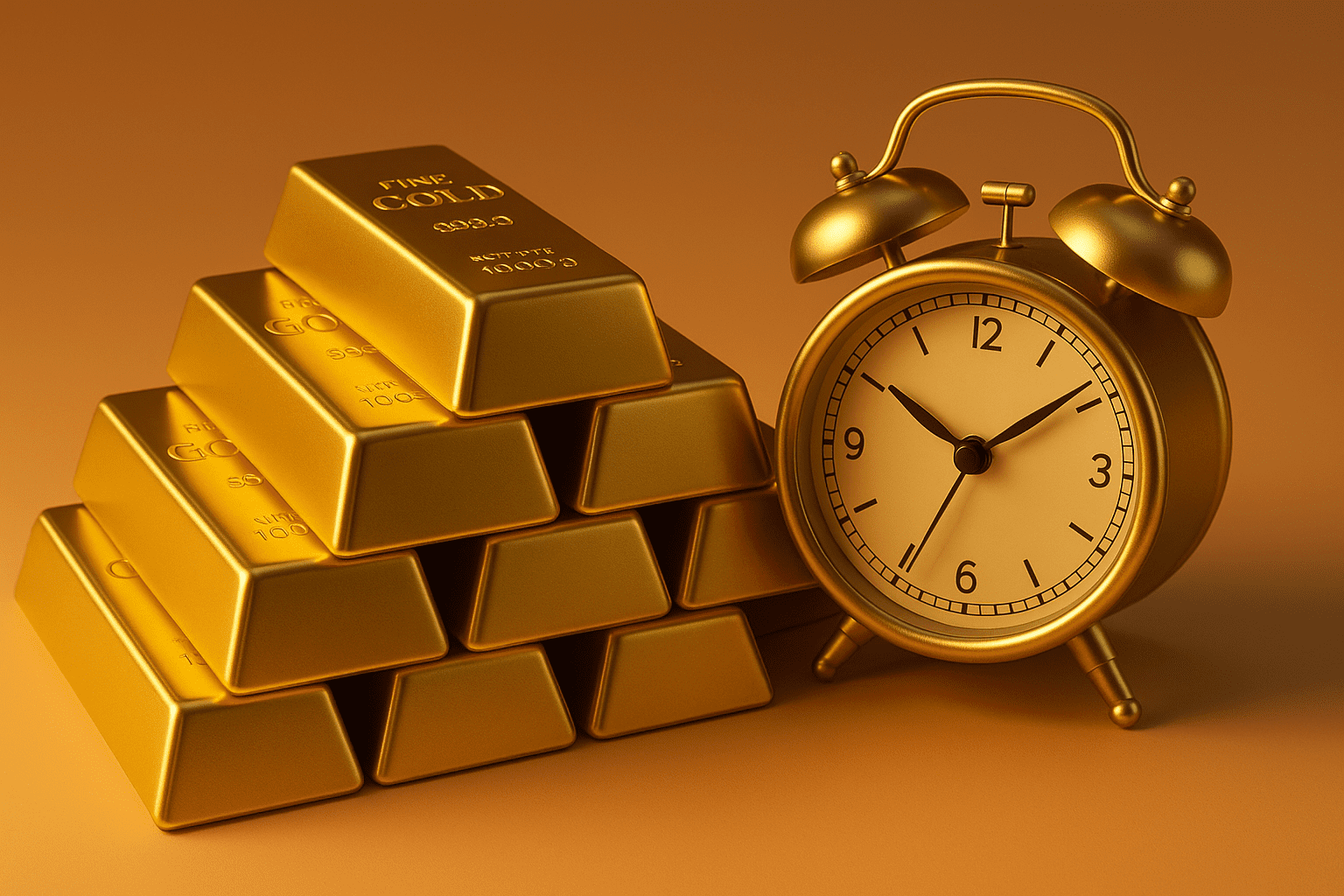

Want to know the best time to buy gold? Gold prices hit their lowest average in December. They typically run $90 less than June’s prices, which reach the highest levels. This pattern creates good opportunities to buy gold at the right time.
The data shows that gold gives an average return of 1.6% in January. This makes it one of the best months to trade this precious metal. Gold also performs well in December with a 1.5% return. March and April provide good buying opportunities too. The summer months of June and July usually see prices drop. June’s average price in the last decade was $1,501, while December stayed at $1,411.
Our analysis of gold price data spans decades. This helps you make smart decisions about buying gold in 2025. The economic climate affects gold prices by a lot. Buyers who purchased gold three months before the last three recessions saw their investment grow during the downturn. Gold’s value went up by 7.5% in the six months after the 2001 recession.
This piece explores monthly patterns, economic factors and practical ways to time your gold purchases perfectly.
Gold Price Trends by Month and Season
Gold prices follow clear seasonal patterns throughout the year. Smart investors can find great times to buy and maximize their investment returns in 2025.
Best months to buy gold: Historical data
The last 50 years of gold price data shows that January and early July are the best times for gold buying opportunities. January brings an average return of 1.6%, making it one of the strongest months to invest in gold. March and April are also good times as investors adjust their portfolios at the fiscal year’s end.
The start of summer, from mid-June to mid-July, is another great time to buy before prices rise in autumn. December’s average price of $1,411 compared to June’s $1,501 shows about a 4.5% difference.
Worst months to buy gold: What to avoid
September shows the highest average price increase at 1.8% each year, so it might be the worst time to buy gold. June prices tend to be higher, though you might see some drops mid-month. February usually comes after January’s price jump, which makes it a bad time to buy as prices peak before dropping in March.
October sees negative returns (-0.3%), but this small correction comes right after September’s big increase.
Seasonal demand cycles and cultural impact
Culture plays a big role in gold’s seasonal patterns. Indian weddings from October through March create huge demand with about 10 million ceremonies each year. Brides wear beautiful gold jewelry as a sign of wealth, which leads to predictable spikes in demand.
The Chinese Lunar New Year (usually in late January/early February) boosts gold sales when families give gold jewelry and coins for luck. Western holidays (November-December) push demand up even more through jewelry and engagement ring sales.
Table: Monthly average gold prices (2013–2023)
| Month | Average Price (USD) | Buying Opportunity |
|---|---|---|
| January | $1,823+ | Excellent |
| March | $1,827+ | Very Good |
| June | $1,919+ | Poor |
| July | $1,919+ | Good (early month) |
| September | $1,848+ | Very Poor |
| December | $1,824+ | Excellent |
BitGolder gives you a reliable way to buy gold coins and bars using more than 50 cryptocurrencies including Bitcoin, Ethereum, Litecoin, Solana, and Monero. This makes it easy to time your purchases during these best buying periods.
How Economic Conditions Influence Gold Prices
“[Gold has formed] a higher base — around the $3,000 to $3,100 per ounce level — suggesting upside potential remains,” — Juan Carlos Artigas Casanova, Global Head of Research, World Gold Council
Gold prices move up and down based on economic conditions. These economic forces create chances for investors whatever the seasonal patterns might be. Investors can make smart gold purchases during market swings by learning about these economic influences.
Gold performance during past recessions
Gold has showed amazing strength during economic downturns. The precious metal gained an average of 20.2% during major recessions. This makes it work well as a shield against market instability. Gold prices jumped from $730 to $1,300 between October 2008 and October 2010. This was a big deal as it means that prices went up by 64.8%. The 2020 recession, triggered by the pandemic, pushed gold up by 24.6%. The price ended up hitting a new record above $2,900 by February 2025.
Impact of interest rate cuts on gold
Gold prices usually move in the opposite direction of interest rates. The metal typically goes up when the Federal Reserve cuts rates, though economic conditions determine how much. Gold prices climbed 31% in the 24 months after the November 2000 rate cut. The June 2007 rate cut came before the global financial crisis and gold shot up by 39%. Lower interest rates reduce the chance cost of holding non-yielding assets like gold. This makes gold more appealing to investors.
Inflation and real interest rates explained
Gold’s relationship with inflation matters especially when real interest rates turn negative—when inflation grows higher than nominal interest rates. Regular interest-bearing investments lose buying power under these conditions. This pushes investors to look for safety in gold. Gold prices tend to rise when real yields fall. The numbers show this clearly with a strong negative correlation of -0.82 between real interest rates and gold prices.
Table: Gold returns during 2001, 2008, and 2020 recessions
| Recession Period | Starting Price | Ending Price | Percentage Change |
|---|---|---|---|
| 2001 | $271.19/oz | $342.75/oz | +26.4% |
| 2007-2009 | $670.00/oz | $1,104.00/oz | <citation index=”8″ link=”https://stonexbullion.com/en/blog/is-gold-the-ultimate-recession-hedge/” similar_text=”The table below outlines how gold has performed during major recessions since the 1970s: GOLD PERFORMANCE DURING MAJOR RECESSIONS — RECESSION PERIOD |
| 2020 | $1,520.55/oz | $1,895.10/oz | <citation index=”8″ link=”https://stonexbullion.com/en/blog/is-gold-the-ultimate-recession-hedge/” similar_text=”The table below outlines how gold has performed during major recessions since the 1970s: GOLD PERFORMANCE DURING MAJOR RECESSIONS — RECESSION PERIOD |
Investors who want to buy gold in 2025 should watch economic indicators like interest rate decisions and inflation trends carefully. This approach works better than just looking at calendar patterns.
Smart Strategies for Buying Gold in 2025
Success in gold investing doesn’t depend on perfect timing. Smart strategies that work in any market condition matter more. Let’s look at proven strategies you can use in 2025.
Why dollar-cost averaging works
Dollar-cost averaging (DCA) means you invest the same amount regularly, whatever the gold price might be. This strategy lets you buy more gold when prices are low and less when they’re high. Your average cost goes down over time. The largest longitudinal study shows gold has given yearly gains of more than 8% in the last 20 years. DCA works great especially when you have long-term wealth building goals.
Timing vs. consistency: Which is better?
Money expert Suze Orman points out that investment success isn’t about finding the perfect moment. Consistency brings better results. Regular investments help build wealth steadily without the pressure of timing the market. Gold’s proven track record of holding its value makes steady investing a soaring win.
Using AutoInvest and similar tools
Tools like APMEX’s AutoInvest help you build your precious metals portfolio on autopilot. You just pick your products, how often you want to buy, and how you’ll pay. The system handles everything else. OneGold provides similar options that let you schedule automatic gold purchases.
Avoiding the trap of waiting for the ‘perfect’ price
Gold prices are at their highest ever, and experts predict another 14% rise this year. Don’t wait for the perfect moment to invest. Building your position step by step protects you from market swings and helps you tap into gold’s long-term growth potential.
What Type of Gold to Buy and When
The timing of your gold purchase matters as much as selecting the right type of gold investment. Your investment goals, risk tolerance, and financial situation should determine the gold form you choose.
Gold bars vs. coins vs. ETFs
You can hold physical gold as tangible assets, while ETFs give you more convenience without storage needs. Large gold bar purchases come with lower premiums above spot price, making them economical solutions for serious investors. The premiums are slightly higher for coins but they provide better liquidity and recognition. Gold ETFs remove storage concerns and let you access liquidity during market hours, though they charge annual management fees (typically 0.25% to 0.40%).
Best time to buy physical gold
January shows a 1.3% average increase, making it the perfect month to buy. Dollar-cost averaging helps investors reduce timing risks when they keep taking them in small amounts. Buyers of physical gold should think about quantity discounts that larger purchases offer.
Best time to buy gold in Dubai
Dubai’s gold market is a chance to find great deals. The best times are early January, March, early April, or mid-June to early July. Dubai Shopping Festival (December-January) and Dubai Summer Surprises (June-August) give you special promotions and discounts. March shows the biggest price drops each year.
Table: Gold types and ideal buying periods
| Gold Type | Ideal Buying Period | Advantages | Platform Options |
|---|---|---|---|
| Gold Bars | January, March, December | Lower premiums, pure investment | BitGolder (accepts 50+ cryptocurrencies) |
| Gold Coins | Early January, March | Better liquidity, recognizability | BitGolder (Bitcoin, Ethereum, Litecoin) |
| Gold ETFs | Market dips, rate cuts | No storage concerns, high liquidity | Brokerage platforms |
| Dubai Gold | March, DSF period (Dec-Jan) | High purity, regulated quality | Local jewelers, Gold Souks |
BitGolder lets you buy gold with cryptocurrency through a trusted platform that accepts Bitcoin, Ethereum, Solana, and 50+ other cryptocurrencies—matching these seasonal opportunities perfectly.
Conclusion
Smart timing of your gold purchases can affect your investment returns by a lot. Historical data shows December and January are excellent times to buy, as prices are typically $90 lower in December compared to June. Early July and March also offer good conditions to buy gold before seasonal price increases begin.
Gold’s value depends more on economic factors than seasonal patterns. The precious metal has showed remarkable strength during past recessions with average gains of 20.2%. Your priority should be to track interest rate decisions and inflation trends rather than calendar timing. Gold runs on negative real interest rates, especially as traditional investments lose their purchasing power.
Consistency matters more than perfect timing for smart investors. Dollar-cost averaging works well with gold investments, especially when you have automatic purchases that increase during price dips and decrease during rises. This approach helps build wealth steadily and avoids the stress of trying to time the market perfectly.
Your investment goals should guide your choice between gold bars, coins, and ETFs. Physical gold gives you tangible security but needs storage, while ETFs are convenient without physical possession worries. Each option has its benefits based on your investment timeline and need for quick cash access.
BitGolder is a trusted platform that lets investors buy gold with cryptocurrencies. They accept more than 50 different cryptocurrencies including Bitcoin, Ethereum, Litecoin, Solana, and Monero. This makes it easy to time your gold purchases during the best buying windows.
Note that successful gold investing relies more on a steady strategy that matches your financial goals than perfect timing. Though gold trades at all-time highs now, analysts expect more growth through 2025. Building your positions gradually is better than waiting for perfect conditions. This approach helps capture gold’s long-term value while protecting your portfolio from market swings.
Key Takeaways
Understanding gold’s seasonal patterns and economic drivers can significantly improve your investment timing and returns in 2025.
• December and January offer the best buying opportunities – December shows the lowest average prices ($1,411 vs June’s $1,501), while January delivers strong 1.6% average returns.
• Economic conditions matter more than seasonal timing – Gold gained 20.2% on average during past recessions and performs best when real interest rates turn negative.
• Dollar-cost averaging beats perfect timing – Consistent monthly purchases reduce risk and capture gold’s 8%+ annual gains over 20 years better than trying to time the market.
• Choose gold type based on your goals – Physical gold (bars/coins) offers tangible security, while ETFs provide liquidity; platforms like BitGolder accept 50+ cryptocurrencies for purchases.
• Avoid waiting for the “perfect” price – With gold at all-time highs and 14% growth forecasted, building positions gradually captures long-term appreciation while managing volatility risk.
The key to successful gold investing lies in developing a consistent strategy rather than attempting to time market peaks and valleys perfectly.
FAQs
Q1. Is gold a good investment in 2025? Gold remains a stable asset amid market volatility. With prices reaching record highs and experts forecasting continued growth, gold can be a valuable addition to diversify your investment portfolio. However, as with any investment, it’s important to consider your financial goals and risk tolerance.
Q2. When is the best time to buy gold? Historically, December and January offer the best buying opportunities, with prices typically lower than other months. However, economic conditions often outweigh seasonal patterns. Monitoring factors like interest rates and inflation can be more beneficial than focusing solely on calendar timing.
Q3. What’s the difference between buying gold bars, coins, and ETFs? Gold bars typically have lower premiums for larger purchases, making them cost-effective for serious investors. Coins offer better liquidity and recognizability but with slightly higher premiums. Gold ETFs provide convenience and immediate liquidity without storage concerns, but come with annual management fees.
Q4. How can I minimize risk when investing in gold? Dollar-cost averaging is an effective strategy for gold investment. This approach involves investing a fixed amount regularly, regardless of the current price. It helps reduce the impact of market volatility and allows you to build your gold position steadily over time.
Q5. Can I buy gold using cryptocurrency? Yes, platforms like BitGolder allow you to purchase gold using various cryptocurrencies including Bitcoin, Ethereum, and Litecoin. This option provides flexibility for investors looking to diversify their crypto holdings into precious metals.