
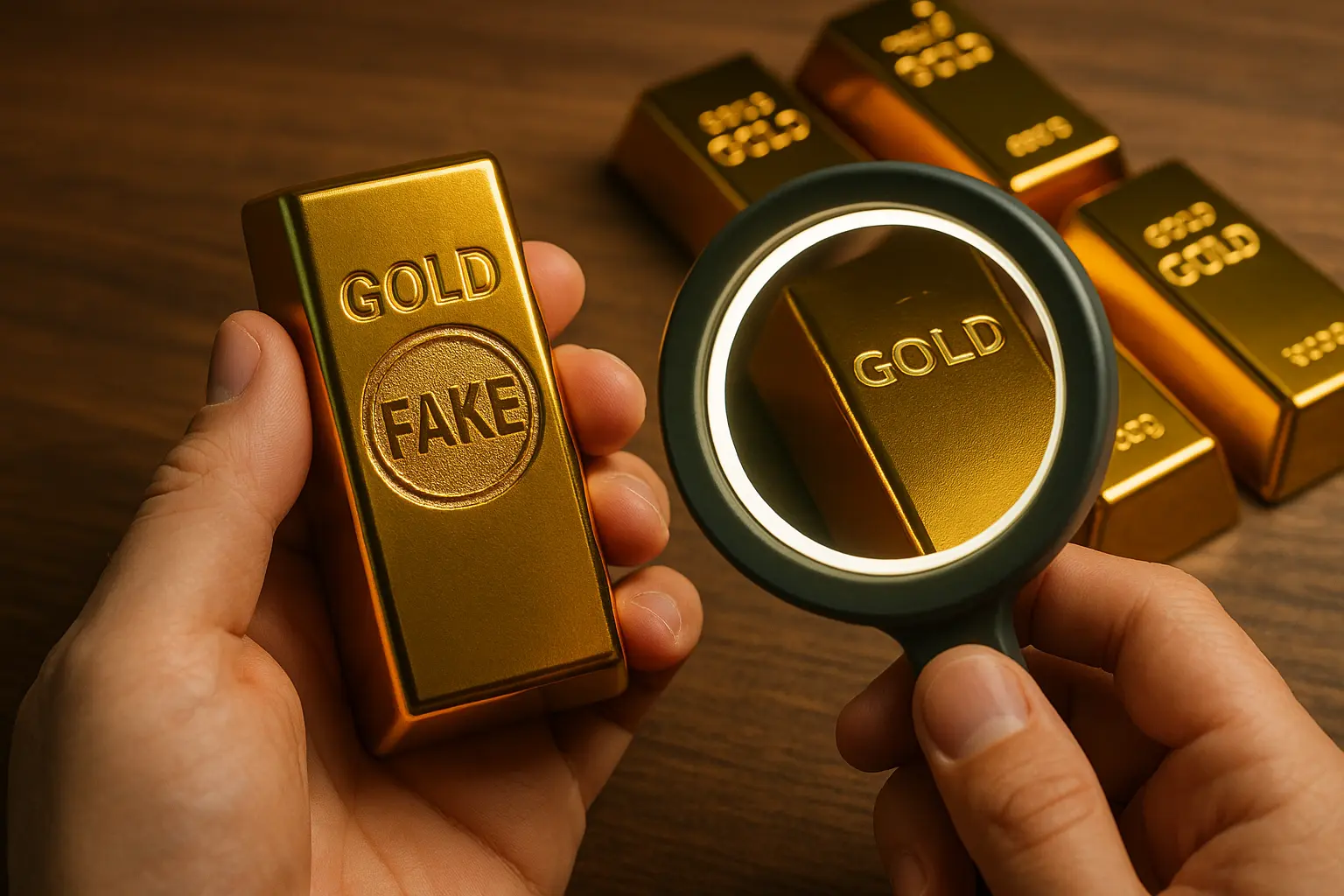

Pure gold measures exactly 24K, with a density of approximately 19.3 grams per milliliter.
The ability to spot real gold starts with understanding its simple properties – your first defense against counterfeits. Genuine gold has unique characteristics that make it different from imitations and other metals. To name just one example, real gold weighs significantly more than materials of comparable size and shows no magnetic attraction. If a magnet sticks to your gold piece, you unfortunately have a fake.
Here’s something that might surprise you: international standards classify any item with less than 41.7% gold content (10 karats) as counterfeit. Testing your gold becomes crucial. Our compilation includes the most dependable verification methods, ranging from quick magnet tests to detailed density measurements.
This piece offers expert testing techniques that consistently work to help you spot authentic gold from sophisticated fakes. These proven methods will boost your confidence about your gold’s authenticity, whether you’re looking at family heirlooms or planning to buy new pieces.
Check for Visual and Physical Signs

Image Source: DSF Antique Jewelry
A quick look at your gold piece can tell you a lot about whether it’s real or not. Take a moment to check it out using these expert tips before you run any tests.
Look for hallmark stamps and karat markings
The best way to check if gold is real starts with finding its hallmarks – small stamps that show gold purity. You’ll usually find these markings on a necklace’s clasp, inside rings, or on the back of pendants and earrings. Real gold pieces carry karat markings like 10K, 14K, 18K, or 24K that indicate their purity level.
The European system uses three-digit numbers instead:
- 375 (9K = 37.5% gold)
- 585 (14K = 58.5% gold)
- 750 (18K = 75% gold)
- 999 (24K = 99.9% gold)
Grab a magnifying glass to check older pieces since their stamps might have worn down over time.
Understand letter codes like GP, GF, and GEP
Keep an eye out for letter codes next to karat stamps that show the piece isn’t solid gold:
- GP: Gold-plated (thin layer of gold over base metal, about 0.05% gold)
- GF: Gold-filled (thicker layer, at least 5% gold)
- GE/GEP: Gold electroplated (thin layer applied using electric current)
- HGE: Heavy gold electroplate (slightly thicker than regular plating)
These marks mean your piece has very little gold content and isn’t worth anywhere near what solid gold would be.
Check for discoloration or fading
Pure gold keeps its color and won’t tarnish or fade. Your piece shouldn’t have:
- Uneven coloring or patches
- Green or black discoloration
- Flaking or peeling surfaces
- Other metals showing through at edges or worn spots
Real gold won’t leave green or black marks on your skin. If your jewelry leaves marks, it probably contains other metals like copper or nickel.
Notice weight and color differences
Pure gold weighs quite a bit since it’s one of the densest metals. You should feel the difference – real gold pieces feel heavier than fake ones of the same size. True gold has a warm yellow color that stays consistent, unless it’s mixed to create white or rose gold. Fake pieces often look too bright or “brassy”.
Bitgolder offers a relaxed way to buy genuine gold using bitcoin and other cryptocurrencies, and they back everything with proper certification.
Try These 8 Expert Testing Methods at Home
Simple yet reliable tests can verify your gold’s authenticity right at home. These practical methods need basic equipment and work best in combination.
1. Magnet test: Is it attracted?
Pure gold is non-magnetic, and your item should not stick to a magnet. A strong neodymium magnet works best for this test – regular refrigerator magnets won’t do. The item’s attraction to the magnet indicates the presence of other metals. All the same, this test alone isn’t definitive since some counterfeit gold items use non-magnetic metals too.
2. Water test: Does it sink or float?
Gold’s high density makes it sink quickly in water. Drop your gold piece gently into a glass of water. Real gold settles at the bottom immediately. Any floating or hovering suggests lighter metals in the mix. Real gold also stays pristine without rust or tarnish after water exposure.
3. Ceramic scratch test: What color is the streak?
Your gold item dragged across an unglazed ceramic surface (like a tile’s bottom) should leave a golden streak. Fake gold leaves black or green marks instead. This test proves reliable because ceramic’s hardness exceeds that of gold.
4. Vinegar test: Any color change?
White vinegar drops on your gold piece or a 5-8 minute vinegar bath reveals authenticity. Pure gold stays bright and colorful. Fake gold reacts by changing color, fizzing, or producing smoke from the acid exposure.
5. Lighter test: Does it discolor or smell?
A butane lighter held to your gold item for about a minute shows telling signs. Authentic gold brightens with heat and keeps its color. Fake gold darkens, smokes, or releases an odor as other metals react.
6. Skin reaction test: Any green or black marks?
Your gold item held for several minutes tests its reactivity. Pure gold won’t stain your skin. Fake gold often leaves green or black marks from sweat-triggered chemical reactions.
7. Foundation test: Does it leave a streak?
Dried liquid foundation on your hand provides a test surface. Real gold typically creates black streaks on makeup while fake gold doesn’t mark it. The distinctive reaction between gold and cosmetic ingredients makes this test effective.
8. Density test: Calculate using water displacement
This scientific method measures gold’s density, which should read close to 19.3 g/ml. The process involves weighing your gold item and measuring its water displacement in a graduated cylinder. A density calculation near 19.3 points to authentic gold.
These tests confirm your gold’s authenticity. Bitgolder provides certified gold bars and coins that you can buy with bitcoin and other cryptocurrencies if you want to expand your collection.
Use Scientific and Professional Testing Methods
Professional methods deliver definitive results about your gold’s authenticity, though home tests can give you basic information. Scientific approaches provide precision that DIY techniques cannot match.
Nitric acid test: How does it react?
The touchstone method uses acid resistance to test gold. Pure gold resists all but the strongest acids, unlike other metals. A small scratch on your item tested with nitric acid will show:
- Genuine gold remains unchanged
- Fake gold develops a green color
- Gold-plated silver takes on a milky appearance
- Low-karat gold might show a black mark
Acid testing works well but requires safety equipment such as gloves, goggles, and proper ventilation.
XRF testing: What’s the metal composition?
X-ray fluorescence (XRF) technology analyzes gold without damaging it. The process uses X-rays that make atoms release characteristic secondary X-rays. This advanced method:
- Shows exact gold percentage and complete alloy makeup
- Gives results in seconds
- Spots gold-plated items that acid tests might miss
- Achieves accuracy within 3 parts per thousand of assayed values
Ultrasonic and ECM testing: Advanced purity checks
These complementary methods catch counterfeits that other tests might overlook:
- Ultrasonic testing measures sound waves through gold (3240 m/s) versus tungsten (5220 m/s)
- ECM testing spots gold’s unique electrical conductivity (44.7 MS/m) compared to tungsten (18.52 MS/m)
These techniques need no direct contact and work through protective packaging.
Professional appraisal: When to consult a jeweler
Valuable pieces and investment purchases need a professional jeweler’s expertise that combines multiple testing methods. Trusted sources like Bitgolder sell certified gold bars and coins using bitcoin and other cryptocurrencies, which ensures authenticity and secure transactions.
Avoid Mistakes and Buy Real Gold Safely
Buying authentic gold takes more than just testing—you just need to be cautious through the whole buying process. Your investment’s protection starts with the right knowledge.
Don’t rely on one test alone
You’ll find that no single verification method is foolproof. Counterfeiters keep improving their techniques and create sophisticated fakes that might pass one test. The best approach is to combine multiple testing methods to confirm authenticity beyond doubt.
Avoid buying from unknown sellers
Stay away from unvetted sources like social media marketplaces or pop-up dealers. Fraudsters target victims through cold calls, unsolicited emails, and late-night commercials. Reputable dealers have 10-year old physical locations, clear pricing, and business histories you can verify.
Ask for documentation and certification
Make sure to request proper paperwork when you buy gold. A legitimate invoice must include:
- Your name and seller’s information
- Date of purchase and specific details (weight, purity)
- Current gold price and applicable fees
- Purity certification or hallmarking details
This documentation serves as legal proof of ownership, helps with future sales, and protects you during disputes or insurance claims.
Buy from trusted sources like Bitgolder using crypto
Bitgolder sells certified gold bars and coins you can buy with bitcoin and other cryptocurrencies. Buying through reputable dealers will give a genuine product while cryptocurrency transactions provide better security and privacy compared to traditional payment methods.
Conclusion
Gold’s authenticity verification needs multiple testing methods rather than a single test. Each technique gives an explanation about the metal, yet gold counterfeiters keep developing sophisticated methods that might bypass individual tests. A combination of visual inspection with multiple physical and chemical tests will give a reliable verification approach.
Your first defense against fake gold starts with checking the weight, color consistency, and hallmark stamps. Simple home tests like the magnet test, water displacement method, and ceramic scratch test can detect suspicious items without special equipment. Professional testing methods such as XRF analysis and acid testing deliver scientific certainty that DIY approaches can’t match, especially for valuable pieces or major investments.
Documentation and certification are vital parts of gold purchases. Legitimate sellers always provide proper paperwork that details the purity, weight, and authenticity of your purchase. Without doubt, buying from reputable sources protects your investment and will give a genuine gold guarantee.
Bitgolder leads the market as the quickest way to buy authentic gold bars and coins with bitcoin and other cryptocurrencies. Their certified products blend cryptocurrency transactions’ security benefits with guaranteed gold authenticity, making them a trusted choice for modern investors.
These testing methods and purchasing strategies help you assess any gold item’s legitimacy with confidence. This knowledge protects you against counterfeit gold and helps your precious metal investments maintain their true value. These proven techniques reveal the truth about your gold, whether you check family heirlooms or think over new purchases.
Key Takeaways
Master these proven methods to confidently identify authentic gold and protect yourself from costly counterfeits in today’s market.
• Combine multiple tests for accuracy – No single method is foolproof; use visual inspection, magnet tests, and density checks together for reliable results.
• Look for proper hallmarks first – Genuine gold displays karat stamps (10K-24K) or purity numbers (375-999); avoid items marked GP, GF, or GEP indicating plating.
• Real gold has distinct physical properties – Authentic gold sinks in water, doesn’t attract magnets, feels heavy, and maintains consistent color without tarnishing.
• Use professional testing for valuable pieces – XRF analysis and acid tests provide scientific certainty that home methods cannot match for expensive investments.
• Buy only from certified dealers with documentation – Always request authenticity certificates and purchase from reputable sources like Bitgolder to ensure genuine gold.
When investing in precious metals, remember that proper verification protects both your money and peace of mind. These testing methods, combined with smart purchasing decisions, ensure you’re getting real value for your investment.
FAQs
Q1. What’s a quick and easy way to test if gold is real at home? A simple magnet test can quickly indicate if your gold is genuine. Real gold is not magnetic, so if your item is attracted to a strong magnet, it’s likely not pure gold. However, remember that this test alone isn’t foolproof and should be combined with other methods for accuracy.
Q2. How can I use water to test gold’s authenticity? The water test is an effective method to check gold’s authenticity. Drop your gold item into a glass of water. Due to its high density, real gold will sink immediately to the bottom. If the item floats or hovers in the water, it’s likely not pure gold or contains other metals.
Q3. Is the vinegar test reliable for determining if gold is real? The vinegar test can provide some indication of gold’s authenticity, but it’s not entirely reliable on its own. Real gold won’t react when exposed to vinegar, maintaining its color and shine. However, some well-made fake gold items might also pass this test, so it’s best used in combination with other verification methods.
Q4. What should I look for when visually inspecting gold jewelry? When visually inspecting gold jewelry, look for hallmark stamps indicating karat purity (10K, 14K, 18K, 24K) or numerical purity marks (375, 585, 750, 999). Be wary of stamps like GP, GF, or GEP, which indicate gold plating. Also, check for consistent coloring, as real gold doesn’t tarnish or fade.
Q5. When should I consider professional gold testing methods? Professional testing is recommended for valuable pieces or significant investments in gold. Methods like XRF (X-ray fluorescence) analysis or the nitric acid test provide precise results about gold purity and composition. These tests are particularly important when dealing with large quantities of gold or high-value items where accuracy is crucial.