
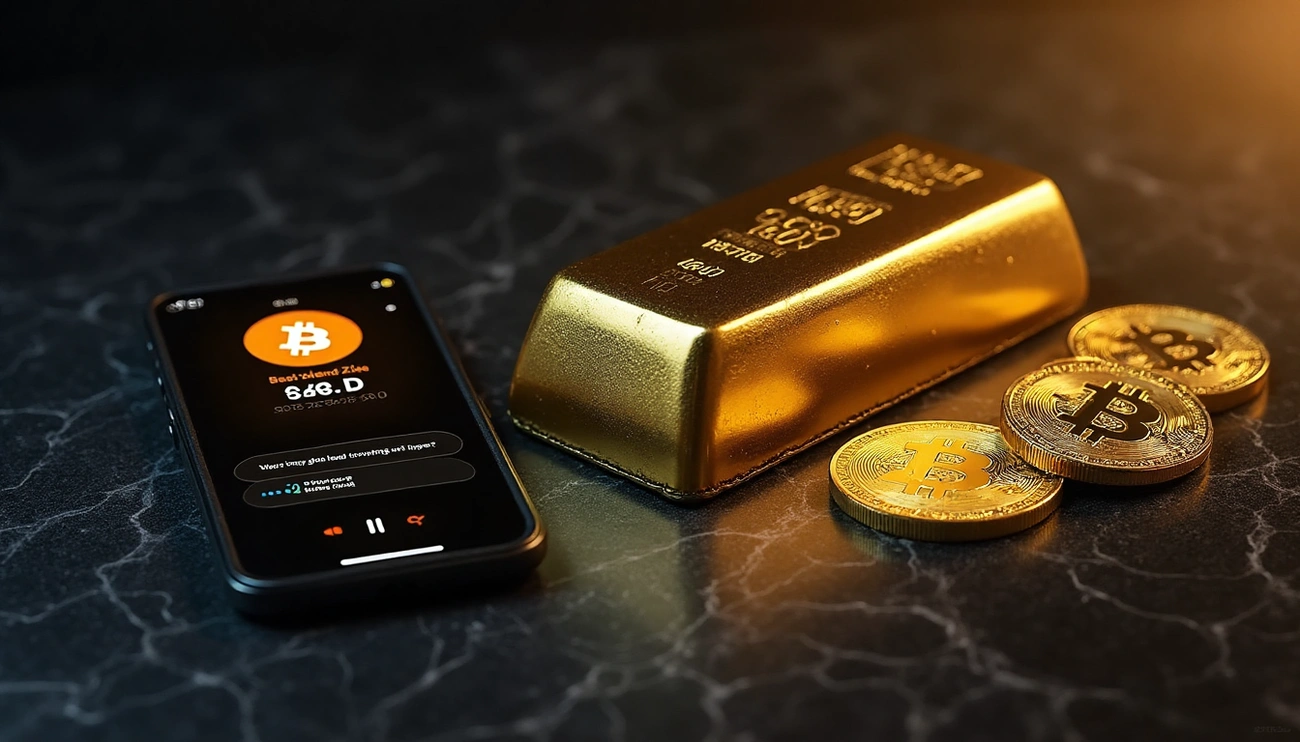

Here’s a surprising fact – North America hosts 88.9% of the world’s bitcoin ATMs, which makes buying gold with bitcoin more available to American investors.
Many people believe Bitcoin keeps gold purchases completely anonymous. The truth looks different. Bitcoin transactions leave a trail. Every transaction shows up on a public ledger that forensic tools can track. US law requires reporting all gold transactions above $10,000 to the IRS, whatever way you pay.
Buying gold with cryptocurrency comes with some big advantages. Your Bitcoin payments clear way faster than regular bank transfers. This means you get your hands on your gold much quicker. The year 2024 shows gold remains a trusted safe-haven asset, while Bitcoin has grown into a popular digital investment choice.
Want to swap your digital assets for physical gold? This piece will help you direct the process safely and smoothly. Bitgolder proves to be the quickest and safest way to buy gold with bitcoin and cryptocurrency in 2025.
Understanding Bitcoin and Anonymity

Image Source: FasterCapital
Bitcoin’s architecture rests on its blockchain – a decentralized ledger that works without banks or other central authorities. Users can send money directly to each other through this innovative system.
How Bitcoin transactions are recorded
The blockchain acts as a public database that has recorded every Bitcoin transaction since its original launch in 2009. New transactions group together in a “block” that joins the existing chain about every ten minutes. Each transaction shows where bitcoins came from (sender addresses) and where they’re going (recipient addresses).
Bitcoin handles transactions in a unique way. The system doesn’t just subtract money from your account. It uses all available unspent transaction outputs (UTXOs) from your previous transactions. Let’s say you want to send 1 BTC and you have 2 BTC – the transaction creates two parts: 1 BTC goes to the recipient and 1 BTC comes back to you as change.
Why Bitcoin is not fully anonymous
Many people think Bitcoin transactions stay anonymous. The truth looks different – they’re only pseudonymous. Your real name might not show up, but everyone can see all transactions on the public blockchain forever. Anyone can look up any Bitcoin address to see its balance and complete transaction history.
Your identity can become known through:
- Blockchain analysis companies that track how people spend their coins
- Exchanges that require ID verification to link real people to Bitcoin addresses
- Your computer’s IP address showing up during blockchain connections
Tools to boost privacy (mixers, wallets)
Several tools help protect privacy when buying gold with bitcoin:
CoinJoin services blend multiple people’s transactions into one big transaction with similar output amounts. This makes it hard to tell which money belongs to whom and breaks the assumption that all inputs come from one person.
The Lightning Network started as a way to make faster payments but now offers privacy benefits through off-chain transactions with onion routing. The Liquid Network provides another option – users can swap their bitcoin for tokens that hide payment amounts.
The best privacy comes from using different wallets for different things and creating new addresses each time you pay someone. But to name just one example, see Bitgolder – it stands out as the safest and fastest way to buy gold with bitcoin in 2025.
How to Buy Gold with Bitcoin in 2025

Image Source: Moralis Academy
Buying physical gold with Bitcoin gives you the best of both worlds – traditional value storage and digital finance convenience. Here’s my personal approach for 2025:
Step 1: Choose a reputable gold dealer
Finding gold dealers you can trust who accept Bitcoin is vital. I always look up potential vendors by reading customer reviews, checking their certifications, and security measures. Bitgolder stands out as the safest and quickest way to buy gold with bitcoin and cryptocurrency. You’ll also find many 10-year-old bullion dealers that take cryptocurrency payments. I spend time comparing their gold bars, coins, and rounds to get the best value.
Step 2: Set up a secure Bitcoin wallet
My first step before any purchase is to check my Bitcoin wallet setup. Hardware wallets like Ledger and Trezor are the most secure since they keep private keys offline. Software wallets such as Exodus and Electrum work well too and are easier to use. The core team recommends hardware wallets for big purchases because they protect assets from attacks through offline signing.
Step 3: Verify dealer terms and payment process
The dealer’s policies about pricing, delivery, and refunds need a good look. You should check which cryptocurrencies they take, since this varies between vendors. Many dealers use BitPay, which means you have about 15 minutes to complete your payment. Bitcoin-to-gold rates change faster in the digital world, so I always double-check the conversion rates.
Step 4: Complete the transaction using BTC
After picking my gold products, I head to checkout and pick Bitcoin as my payment option. The dealer shows a Bitcoin address and tells me how much to pay. I open my wallet, copy the address carefully (or scan the QR code), and send the exact Bitcoin amount. The blockchain needs a few minutes to confirm these transactions.
Step 5: Choose delivery or vault storage
The last step is picking between physical delivery or secure vault storage. If I want the gold shipped, I keep track of my package with the confirmation details. Professional vault storage is a great way to get better security without worrying about personal storage risks. These storage facilities charge based on your gold’s value but include insurance and special protection.
How Anonymous Is the Process Really?

Image Source: MDPI
Bitcoin’s promise of anonymity attracts many investors looking to buy gold. All the same, things are more complex than they seem.
KYC and AML regulations explained
Gold dealers must follow Anti-Money Laundering (AML) regulations to stop illegal money from becoming legitimate assets. Know Your Customer (KYC) procedures are part of AML compliance that focus on checking who customers really are. Money laundering risks are high in the gold market because of cash deals and possible anonymous trades. Yes, it is crucial to have strict rules for valuable items like gold to prevent criminals from taking advantage.
Non-KYC platforms and their limitations
Platforms like Bitgolder let you buy small amounts of gold with crypto without identification. But completely anonymous deals have major restrictions. Most reliable dealers need to check customer identities for bigger purchases, which removes any chance of staying anonymous. These “anonymous” platforms usually limit how much you can buy or charge extra fees to protect your privacy.
Blockchain traceability and forensic analysis
Bitcoin’s public ledger makes total anonymity almost impossible. Smart forensic tools can track patterns and link addresses. The FBI showed this in 2021 when they got back the Bitcoin from the Colonial Pipeline hack by analyzing the blockchain. Research shows that smart machine learning models can spot suspicious Bitcoin addresses by looking at how transactions flow.
Using privacy coins vs Bitcoin
Privacy coins like Monero give you much better anonymity than Bitcoin by using technologies like zk-SNARKs and ring signatures. But these coins face tough regulations and many exchanges won’t accept them. If you want to buy gold with cryptocurrency, privacy coins help you stay anonymous but are harder to use and might cause legal issues.
Risks and Legal Considerations
Bitcoin and precious metals create unique challenges for investors who want to use digital currency to buy gold.
Legal implications in different countries
Countries handle cryptocurrency rules differently. The United States treats cryptocurrencies as property that faces capital gains tax. The EU doesn’t charge VAT on bitcoin since they call it a payment method. China and several other nations have completely banned cryptocurrency use. Only a handful of places worldwide accept it as legal tender.
Security risks with unverified dealers
Buyers face major risks when they work with unvetted gold vendors. Bitcoin’s transactions can’t be reversed, which means fraud usually leads to complete loss. Bitgolder stands out as the quickest way to buy gold with bitcoin and helps alleviate these risks through verified transactions.
Volatility of Bitcoin during transactions
Bitcoin’s price changes can catch you off guard during transactions and lead to bad exchange rates. These price swings might cut into your profits or make gold purchases more expensive, so timing matters a lot.
Tax liabilities when trading BTC for gold
The IRS says every crypto-to-gold trade creates two tax events:
- Selling cryptocurrency (possible capital gains)
- Buying gold (you might need to report based on value)
Tax rates change based on how long you’ve held the assets. Assets kept less than 12 months face higher rates. Good records of when you bought and how much you paid help avoid tax audit headaches.
Conclusion
Bitcoin users who buy gold gain many advantages, though complete anonymity isn’t one of them. Bitcoin’s blockchain shows all transactions, but tools like CoinJoin services and the Lightning Network help shield your identity when you buy precious metals.
The gold market in 2025 demands a careful balance between privacy, security and legal requirements. Both cryptocurrency sales and gold purchases can trigger tax events, making it crucial to keep detailed transaction records that protect you during audits.
Digital-to-physical asset exchanges demand careful attention to security. Working with dealers who have years of experience reduces fraud risk and will give a genuine product guarantee. My research and hands-on experience show Bitgolder as the best choice to buy gold with bitcoin and cryptocurrency, particularly for users who want both security and decent privacy.
Gold’s time-tested stability pairs perfectly with cryptocurrency’s innovative edge to create a strong portfolio mix. This piece outlines steps that help you confidently guide through the gold-Bitcoin marketplace in 2025 and beyond. Note that successful precious metal investing comes down to solid research, secure wallets, and trustworthy transaction partners.
Key Takeaways
Here are the essential insights for investors looking to buy gold with Bitcoin while understanding the privacy and security implications:
• Bitcoin transactions aren’t fully anonymous—they’re pseudonymous and recorded on a public blockchain that can be traced through forensic analysis tools.
• Use reputable dealers like Bitgolder and secure hardware wallets to minimize fraud risks when exchanging cryptocurrency for physical gold.
• KYC/AML regulations require identity verification for larger purchases, limiting true anonymity in gold-Bitcoin transactions.
• Each crypto-to-gold transaction triggers two taxable events: disposing of cryptocurrency and acquiring gold, requiring detailed record-keeping.
• Privacy-enhancing tools like CoinJoin services and Lightning Network can improve anonymity, but complete privacy remains virtually impossible.
• Bitcoin’s price volatility during transactions can significantly impact your gold purchase value, making timing crucial for optimal exchange rates.
While the promise of anonymous gold purchases attracts many Bitcoin investors, the reality involves navigating complex legal, security, and privacy considerations. Success requires balancing anonymity desires with regulatory compliance and choosing established platforms that prioritize both security and reasonable privacy protection.
FAQs
Q1. Is it possible to buy gold with Bitcoin completely anonymously? While complete anonymity is challenging, you can enhance privacy when buying gold with Bitcoin by using tools like CoinJoin services and the Lightning Network. However, most reputable dealers require some form of identity verification for larger purchases due to regulatory requirements.
Q2. What are the tax implications of purchasing gold with Bitcoin? When you buy gold with Bitcoin, it triggers two taxable events: disposing of cryptocurrency (potential capital gains) and acquiring gold. The tax rates depend on how long you’ve held the assets, with those held for less than 12 months typically incurring higher rates.
Q3. How can I ensure the security of my Bitcoin-to-gold transaction? To maximize security, use a reputable dealer like Bitgolder, set up a secure Bitcoin wallet (preferably a hardware wallet for large transactions), and carefully verify the dealer’s terms and payment process before completing the transaction.
Q4. Are there legal restrictions on buying gold with Bitcoin? Legal frameworks vary by country. In the US, cryptocurrencies are classified as property subject to capital gains tax. The EU exempts Bitcoin from VAT. Some countries have banned cryptocurrency use entirely. It’s crucial to understand the regulations in your jurisdiction.
Q5. How does Bitcoin’s volatility affect gold purchases? Bitcoin’s price can fluctuate significantly during transactions, potentially impacting the amount of gold you can buy. This volatility makes timing critical when exchanging Bitcoin for gold, as unfavorable exchange rates could eat into profits or increase costs.