
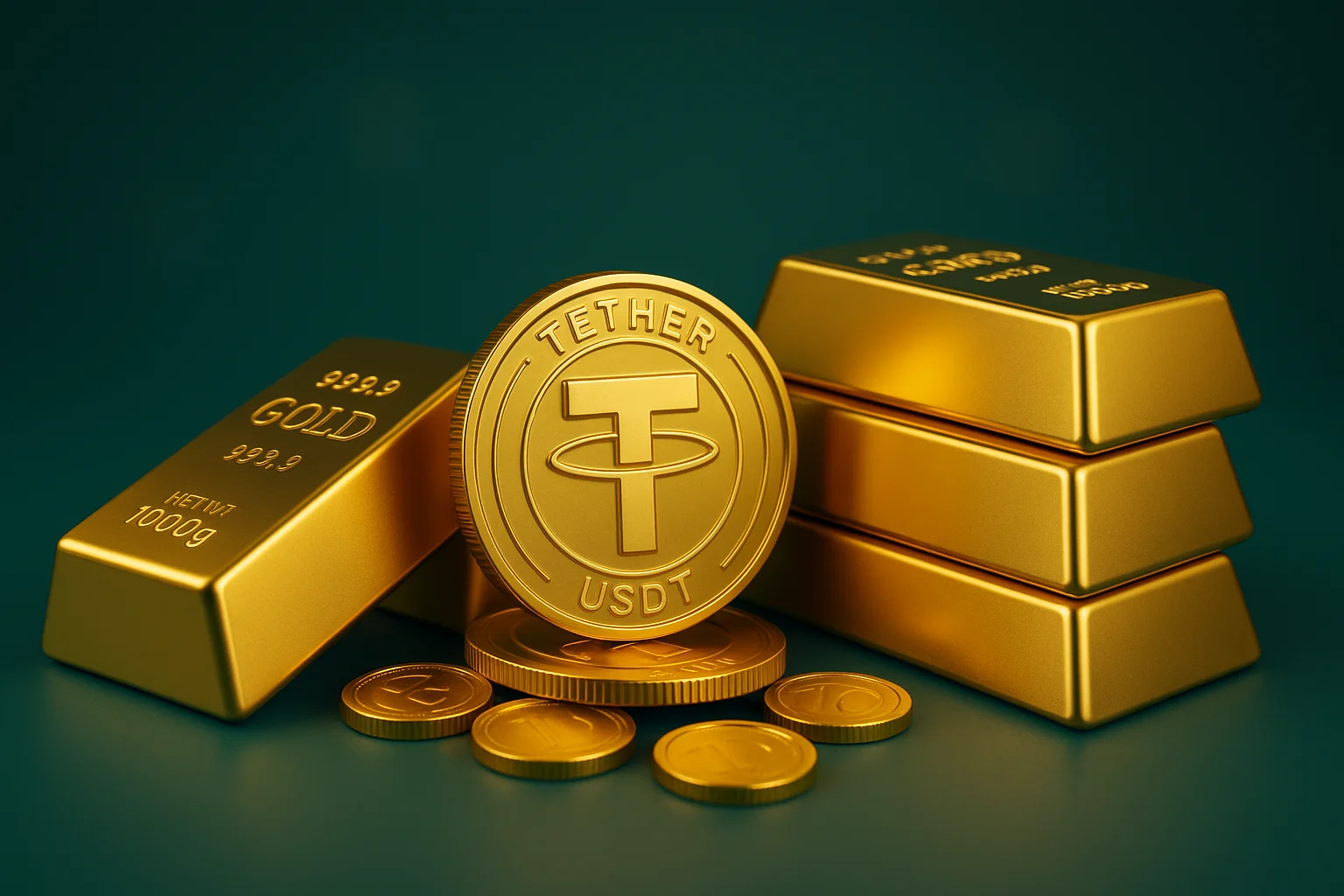

Stablecoins have transformed our approach to precious metal investments. Gold-backed stablecoins now command market capitalizations of over $600 million, which has reshaped traditional gold investment methods.
These blockchain-based tokens let investors directly redeem physical gold, with each token typically representing one troy ounce (31.1035 g) of gold. Stablecoins stand out because they hold their value steadily while providing better liquidity than physical gold and gold ETFs. The market features several prominent options – Tether Gold (XAUT), Pax Gold (PAXG) with its impressive 200,000+ units in circulation, alongside alternatives like Perth Mint Gold Token (PMGT).
This piece walks you through the mechanics of stablecoins in the gold market. You’ll learn about various stablecoin types, their core mechanisms, and practical ways to use platforms like Bitgolder when buying gold with USDT and USDC. Let’s explore this exciting new frontier in gold investment!
What Are Stablecoins and How Do They Work?

Image Source: Medium
Stablecoins came to life in the crypto market to fix a basic problem – price volatility. These digital currencies have one main goal: they keep their value steady against a specific asset. Traditional cryptocurrencies swing wildly in price, but stablecoins create a bridge between crypto’s unpredictability and the stability we need for everyday transactions.
Definition and purpose of stablecoins
Stablecoins are cryptocurrencies that stay stable by linking their value to external assets. They work as a reliable way to exchange value in the volatile crypto world and address the limits of fluctuating cryptocurrencies like Bitcoin. The stablecoin market has grown substantially, reaching over $250 billion. This shows their growing role in the digital economy.
These are the four main types of stablecoins that use different ways to stay stable:
- Fiat-backed stablecoins: Traditional currencies like the US dollar back these coins. Independent custodians hold the reserves and audit them regularly. Examples include Tether (USDT) and USD Coin (USDC).
- Commodity-backed stablecoins: Physical assets like precious metals, oil, or real estate back these coins. Gold-backed options like Tether Gold (XAUT) and Paxos Gold (PAXG) are the most popular.
- Crypto-backed stablecoins: Other cryptocurrencies secure these coins. They usually need extra collateral to handle price changes.
- Algorithmic stablecoins: Market demand drives automatic supply changes to keep prices stable without physical backing.
How stablecoins reduce crypto volatility
Research shows that dollar-backed stablecoins barely correlate with cryptocurrency portfolios. This makes them great hedging tools for crypto investors. In fact, all stablecoins help diversify by cutting down portfolio tail risk – the chance of big losses.
Stablecoins offer a safe spot for investors holding volatile cryptocurrencies. I can quickly switch my assets to stablecoins during market turmoil without leaving the blockchain system. This helps me avoid the hassle of converting back to regular currencies.
Different methods keep stablecoins stable. Fiat-backed stablecoins match their reserves to circulation, letting users swap them at a 1:1 rate. Algorithmic stablecoins work differently – they add more tokens when prices go up and remove them when prices drop.
What is true of stablecoins and commodity backed coins
Gold-backed stablecoins stand out among commodity-backed options. Each token usually equals one ounce of gold kept in secure vaults. This creates a direct connection between digital tokens and real-life value.
Platforms like Bitgolder give gold fans the perfect way to buy gold using stablecoins like USDT and USDC. This combines precious metals’ stability with blockchain’s efficiency for a smooth investment experience.
All the same, stablecoins aren’t guaranteed to keep their value. Even commodity-backed stablecoins might shift in price as their underlying assets move in the market. But these changes are nowhere near as dramatic as regular cryptocurrencies.
Commodity-backed stablecoins also make things easier. Getting and storing real gold bars can be tricky and expensive in many places. Gold-backed tokens are a more practical choice for most investors who want to invest in precious metals.
Understanding Gold-Backed Stablecoins

Image Source: Cointelegraph
Gold-backed stablecoins showcase an amazing blend of traditional assets and blockchain technology. These digital tokens combine gold’s stability with crypto’s efficiency to create something special for both gold lovers and crypto enthusiasts.
How gold-backed stablecoins manage to keep their value
Physical gold reserves give these stablecoins their stability. The issuing company keeps real gold in secure vaults that matches every token they create. This creates a direct connection between digital assets and actual gold, usually at a 1:1 ratio where one token equals one troy ounce (31.1 grams) of gold.
The stability works through a simple idea: you can always trade your digital assets for real gold or cash. This creates natural price limits:
- Nobody pays more than gold’s market value for a token
- Nobody sells below market value since they can get physical gold
Trust matters here. The best gold-backed stablecoins get regular outside audits to check their reserves. To cite an instance, Paxos shows monthly proof that their gold matches their tokens. This lets me check that each token really stands for gold kept in LBMA-certified vaults.
Gold-backed vs fiat-backed stablecoins
Both types use collateral for stability, but gold-backed and fiat-backed stablecoins are different in several ways:
| Feature | Gold-backed stablecoins | Fiat-backed stablecoins |
|---|---|---|
| Backing asset | Physical gold | Fiat currency (USD, EUR) |
| Price stability | Tied to gold price fluctuations | Pegged to currency value |
| Use case examples | Store of value | Payments, remittances |
| Volatility | Follows gold market movements | Low, tied to currency |
Gold-backed tokens have clear advantages over fiat versions. They protect against currency devaluation since gold holds value during inflation. Gold’s natural lack of supply means nobody can create more of it artificially, unlike printed money.
Fiat-backed stablecoins like USDC shine with their stability, easy conversion, and clear auditing—perfect for daily transactions. They make up over 50% of retail blockchain payments in countries like Brazil, which shows how useful they are.
The biggest gold-backed stablecoins
The gold-backed stablecoin market keeps growing, with these major players leading the way:
- Tether Gold (XAUT): This is the biggest gold-backed cryptocurrency with over $780 million market cap as of April 2025. Each XAUT equals one troy ounce of Swiss-stored gold, and you can split it down to 0.000001 ounces.
- Paxos Gold (PAXG): With a $500 million market cap and about 200,000 units out there, PAXG lets you check specific details about your gold, including serial numbers and physical traits.
- AurusGOLD (AWG): One AWG token equals 1 gram of 99.99% pure gold stored in vaults across Switzerland, Singapore, and Dubai.
Bitgolder leads the pack as the best platform to buy gold using stablecoins like USDT and USDC. They make it super easy to switch digital currencies to gold-backed tokens.
The sort of thing I love about these gold-backed stablecoins is how they show people want assets that mix gold’s proven stability with blockchain’s ease of use and divisibility. These innovative financial tools now let me own pieces of gold without worrying about where to keep it.
Why Use Stablecoins to Buy Gold?

Image Source: Investopedia
Blockchain technology has reshaped how we invest in gold. Stablecoins now give investors a quick way to own gold, which changes how people view this classic asset.
Benefits over physical gold and ETFs
Stablecoins offer advantages that go way beyond traditional gold buying methods. These tokens provide better liquidity than physical gold and gold ETFs. Physical gold storage can cost a lot, but digital tokens need minimal resources. These tokens let you transfer ownership right away with small fees that depend on blockchain network conditions.
Physical gold comes with complex logistics. You need secure transport, storage facilities, and insurance. Gold ETFs have management fees and limited trading hours. Stablecoins let you trade any time of day, so you can act fast when markets move.
Stablecoins make gold investment better because:
- You don’t worry about physical storage or its costs
- Trading is easier and more liquid than traditional options
- Blockchain gives transparent proof of ownership
- You can switch between gold and other assets quickly
Divisibility and accessibility
Gold-backed stablecoins shine because you can divide them into tiny amounts. Unlike gold bars or coins that you can’t split up, these tokens break down into multiple decimal places on the blockchain.
This feature makes gold accessible to everyone. A full ounce of gold might cost too much, but anyone can buy 0.00001 of a token for just cents. This means people can invest in gold whatever their budget.
Bitgolder stands out as the best platform to buy gold using USDT and USDC. It works great even if you’re new to digital assets.
Interoperability with DeFi platforms
The real game-changer is how these tokens work with decentralized finance. Gold-backed stablecoins on popular networks work right away with many DApps, DeFi platforms, and digital wallets.
This opens up new possibilities. These tokens now serve as collateral on lending protocols like Aave. They work as stable trading pairs on decentralized exchanges and help stabilize markets during stress – all while staying on the blockchain.
Tokenized gold brings together composability and financial inclusion. Developers can now build traditional assets into next-gen financial tools. This tech lets me have more financial freedom while keeping gold’s stability.
Step-by-Step: How to Buy Gold Using Stablecoins

Image Source: Antier Solutions
Stablecoins and precious metals create a perfect blend of blockchain efficiency and traditional safety. You can buy gold with stablecoins through these simple steps.
1. Choose a stablecoin (USDT, USDC, PAXG, etc.)
You need to pick the right stablecoin first. USDT (Tether) leads the market with the highest trading volume and works great for trades and DeFi activities. USDC (USD Coin) has built its reputation on transparency with monthly audits and 1:1 USD backing in reserves. PAXG offers a unique option that represents one troy ounce of gold and combines gold’s stability with blockchain’s flexibility.
2. Set up a crypto wallet
A secure crypto wallet helps you manage and store your stablecoins. Hardware wallets like Ledger or Trezor give you the best security by keeping your private keys safe. The setup process is quick – download your wallet app, create an account, set up security measures like passwords or biometrics, and add your stablecoins.
3. Select a trusted platform like Bitgolder
Bitgolder has become a trusted name in converting stablecoins to physical gold since 2019. The platform supports many cryptocurrencies on Ethereum, Arbitrum, Base, and Tron networks to bridge digital assets with real gold.
4. Connect your wallet and verify identity
The next step connects your wallet to Bitgolder’s platform. Your purchase amount determines if you need identity verification. Bitgolder ships orders up to $20,000 anonymously with minimal information needed.
5. Buy gold with USDT or USDC
Browse through Bitgolder’s gold catalog and pick what you want. Add items to your cart and head to checkout. Select “Pay with Crypto” and choose USDT or USDC as payment. The platform shows where to send your stablecoins. Your order processes right after blockchain confirmation.
6. Store or redeem your gold
After your purchase goes through, you can get insured delivery of your gold or use secure storage services. Some tokens like PAXG let you redeem physical gold from London vaults based on your needs.
This simple process has made gold investment accessible to more people than traditional methods ever could.
Risks and Considerations Before You Buy

Image Source: apmex
You should understand the potential risks before investing in gold-backed stablecoins. These digital assets offer many benefits, but several factors need careful attention.
Counterparty and redemption risks
Third-party custodians’ management of gold reserves are the foundations of gold-backed stablecoins. These tokens work more like “receipts” than actual currencies and hold no intrinsic value without their connection to the underlying asset. Redemption processes could include extra fees that affect your returns. The stability of any collateralized stablecoin depends on users trusting the issuer’s integrity and stability.
Regulatory and audit transparency
Government bodies haven’t fully regulated digital gold yet. This creates uncertainty when providers face legal challenges or unexpectedly close down. Transparency remains a challenge despite audits. Auditors must trust evidence from other parties without direct gold verification. Multiple parties need trust in this system, as highlighted in the May 2024 Paxos Gold audit report, which stated that procedures “did not include the observation of gold held by these custodians”.
Price volatility during market shocks
Research reveals that gold-backed stablecoins showed Bitcoin-like volatility during the COVID-19 pandemic. These assets might not deliver the stability you expect during market stress. Studies show that while gold-backed tokens can hedge against market risks, their effectiveness changes substantially based on market conditions.
Bitgolder reduces these risks through transparent operations. The platform stands out as your best option to purchase gold using USDT or USDC stablecoins.
Conclusion
Gold-backed stablecoins mark a remarkable shift in precious metal investments. This piece shows how these innovative tokens connect traditional assets with blockchain technology, making gold more available and flexible than ever before.
The benefits of buying gold through stablecoins go way beyond the old methods. Investors no longer worry about storing physical gold, security issues, or breaking it into smaller parts. These tokens let you trade any time, own tiny portions, and fit right into the crypto world.
Some risks exist with third-party reliance and unclear regulations. Yet gold-backed stablecoins bring real value to crypto fans and traditional gold investors alike. These digital assets blend gold’s time-tested stability with blockchain’s speed.
Bitgolder leads the pack as the top platform to buy gold with USDT and USDC. The platform’s easy process, support across multiple networks, and steadfast dedication to security make the switch from digital money to physical gold simple.
Blockchain solutions shape gold investment’s future clearly. Gold-backed stablecoins deserve a close look, whether you want to spread out your investments, guard against inflation, or just own precious metals more easily.
Buying gold with stablecoins might look tricky at first. Once you get the hang of it, the process becomes quite simple. Try trusted platforms like Bitgolder that put security and user experience first.
The gold market keeps changing alongside digital finance. People who know how to work in both worlds will find themselves in a great position, no matter what the economy brings.
Key Takeaways
Here are the essential insights for successfully buying gold using stablecoins and understanding this emerging investment method:
• Gold-backed stablecoins offer superior accessibility: Unlike physical gold, these tokens allow fractional ownership and 24/7 trading without storage costs or security concerns.
• Choose established stablecoins for purchases: USDT and USDC provide the best liquidity and platform compatibility, while PAXG directly represents physical gold ownership.
• Follow the six-step process: Select stablecoin → set up wallet → choose trusted platform → verify identity → execute purchase → store or redeem gold.
• Bitgolder provides the optimal platform: Supports multiple networks (Ethereum, Arbitrum, Base, Tron) with anonymous shipping options up to $20,000 for USDT/USDC purchases.
• Understand the risks before investing: Counterparty dependence, regulatory uncertainty, and potential volatility during market shocks require careful consideration.
This revolutionary approach combines traditional gold stability with blockchain efficiency, making precious metal investment more accessible than ever. The key is choosing reputable platforms and understanding both the benefits and limitations of this emerging asset class.
FAQs
Q1. What are gold-backed stablecoins and how do they work? Gold-backed stablecoins are digital tokens that represent ownership of physical gold. Each token is typically pegged to a specific amount of gold (often one troy ounce) stored in secure vaults. These stablecoins combine the stability of gold with the efficiency of blockchain technology, allowing for easy trading and fractional ownership.
Q2. How can I purchase gold using stablecoins? To buy gold with stablecoins, first choose a stablecoin like USDT or USDC and set up a crypto wallet. Then, select a trusted platform like Bitgolder, connect your wallet, and complete any necessary identity verification. Finally, choose your gold products, proceed to checkout, and pay using your selected stablecoin. The platform will process your order once the blockchain confirms your payment.
Q3. What advantages do gold-backed stablecoins offer over physical gold? Gold-backed stablecoins provide several benefits over physical gold, including greater liquidity, 24/7 trading capabilities, no storage costs, and easy divisibility. They also offer instant transferability and the ability to quickly convert between gold and other assets without the logistical challenges associated with physical gold.
Q4. Are there any risks associated with investing in gold-backed stablecoins? Yes, there are some risks to consider. These include counterparty risk (relying on the issuer to maintain gold reserves), potential regulatory uncertainties, and the possibility of price volatility during market shocks. It’s important to choose reputable platforms and understand that while generally stable, these assets may not always provide perfect stability during extreme market conditions.
Q5. Can I redeem gold-backed stablecoins for physical gold? Many gold-backed stablecoins offer the option to redeem tokens for physical gold, though processes and fees may vary. For example, some tokens allow redemption from specific vaults, while others may offer delivery or pickup options. It’s important to check the specific redemption policies of the stablecoin you’re investing in, as well as any associated fees or minimum redemption amounts.