
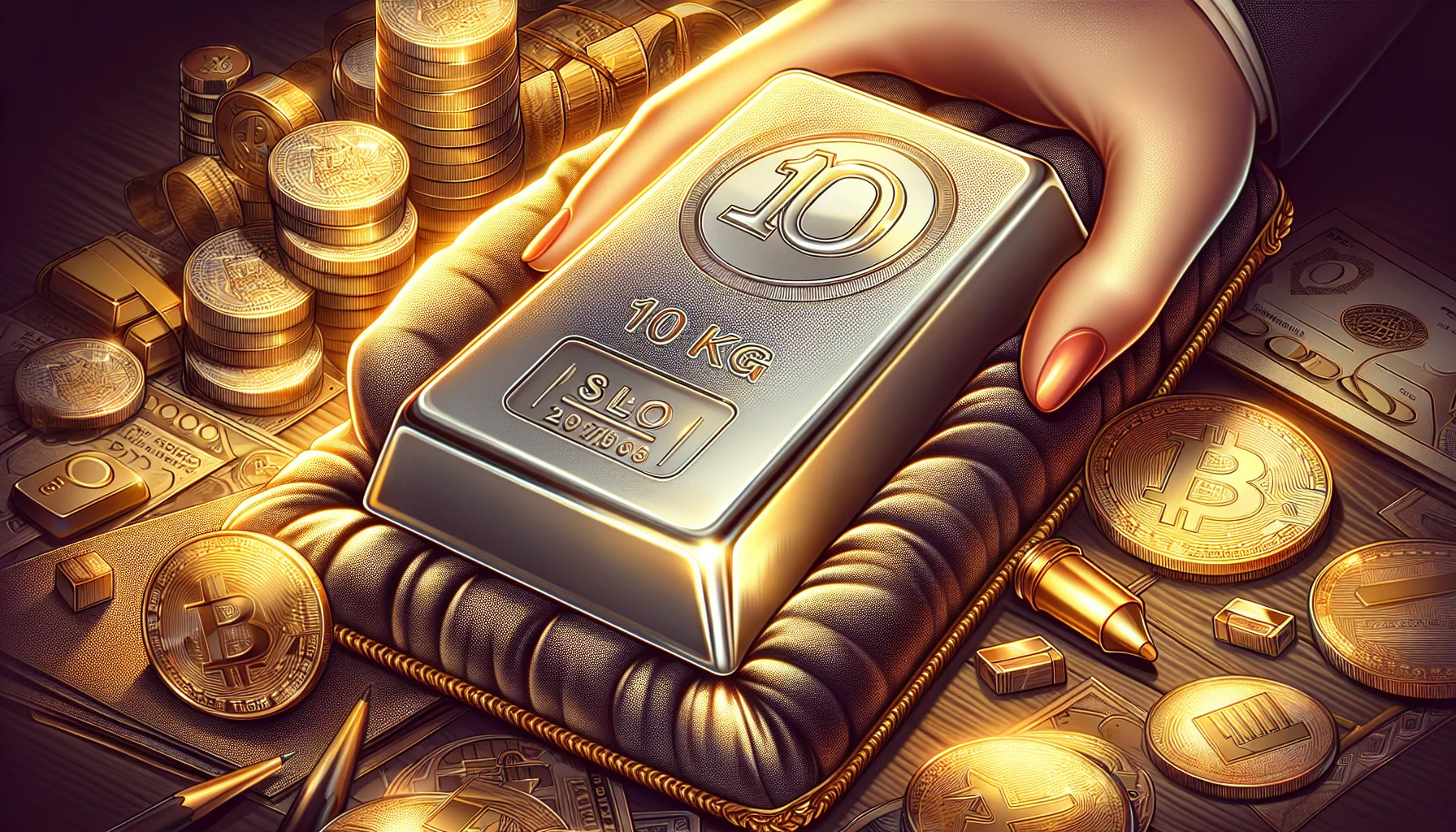

10 kg Silver Bar: Complete Investment Guide 2026
By James Whitfield, Precious Metals Analyst at BitGolder
Introduction
A 10 kg silver bar represents one of the most cost-effective ways to accumulate substantial silver holdings with minimal premiums over spot price. This large-format bullion product contains 321.5 troy ounces of pure silver, typically stamped with .999 or .9999 fineness. Institutional investors and serious collectors favor these bars for their efficiency in building concentrated precious metals positions.
Put simply: A 10 kg silver bar offers maximum metal content per purchase while minimizing per-ounce premiums, making it ideal for investors seeking efficient silver accumulation. These bars require secure storage solutions and represent a significant capital commitment at current market prices.
What Exactly Is a 10 kg Silver Bar?
A 10 kg silver bar is a rectangular cast or minted bullion product weighing exactly 10 kilograms (10,000 grams). These bars convert to 321.507 troy ounces, the standard measurement unit for precious metals trading. Reputable refiners produce these bars with serial numbers, assay marks, and purity stamps for authentication and resale purposes.
Standard Specifications and Dimensions
The typical 10 kg silver bar measures approximately 270mm x 135mm x 52mm, though dimensions vary slightly between refiners. Cast bars display a rough, industrial appearance while minted bars feature smooth surfaces and precise edges. Weight tolerance typically falls within ±0.5% of stated mass according to London Bullion Market Association (LBMA) standards.
Purity Standards and Certification
Most 10 kg silver bars meet .999 fine silver standards (99.9% pure), while premium manufacturers produce .9999 (99.99%) fineness. LBMA-accredited refiners guarantee quality through rigorous testing protocols and internationally recognized certification. Each bar includes assay certificates documenting exact weight, purity, and refiner identification for investment-grade verification.
Cast vs. Minted Production Methods
Cast bars result from pouring molten silver into molds, creating cost-effective products with rustic appearances and lower premiums. Minted bars undergo precision stamping and polishing, producing uniform dimensions and smooth surfaces at slightly higher costs. Most investors choose cast 10 kg bars for their reduced premiums when prioritizing metal content over aesthetics.
| Specification | Cast Bar | Minted Bar |
|---|---|---|
| Weight | 10 kg (321.5 oz) | 10 kg (321.5 oz) |
| Purity | .999+ fine | .9999 fine |
| Premium Over Spot | 2-4% | 4-6% |
| Surface Finish | Rough, irregular | Smooth, polished |
| Typical Price (Feb 2026) | $10,500-$10,800 | $10,800-$11,200 |
How Much Does a 10 kg Silver Bar Cost in 2026?
As of February 2026, silver trades at approximately $32.50 per troy ounce, placing the spot value of a 10 kg silver bar around $10,449. Actual purchase prices range from $10,650 to $11,200 depending on refiner reputation, bar condition, and dealer premiums. Market volatility significantly impacts these prices, with fluctuations occurring daily based on global supply-demand dynamics.
The key takeaway is: Investors should expect to pay 2-7% above spot value for new 10 kg silver bars from reputable dealers, with premiums varying based on production method, refiner brand, and current market conditions in February 2026.
Premium Factors and Pricing Variables
Premiums on 10 kg silver bars reflect manufacturing costs, dealer margins, shipping expenses, and market demand conditions. LBMA-certified refiners command higher premiums due to universal acceptance and guaranteed liquidity upon resale. Economic uncertainty typically increases premiums as physical demand outpaces supply at distribution levels.
Comparing Costs Across Different Sizes
The 10 kg format offers substantially lower per-ounce premiums compared to smaller denominations like 1 oz rounds or 100 oz bars. A 1 oz silver coin might carry 15-25% premiums, while 10 kg bars typically stay under 5%. This efficiency makes large bars attractive for investors focused on accumulating maximum silver content per dollar invested.
Historical Price Performance Context
Silver prices peaked at $49.80 in 2011 before declining to $14-16 ranges during 2015-2019, then rebounding above $30 in 2024-2026. Analysts suggest continued industrial demand from solar panels and electronics supports current price levels. Historical patterns indicate silver experiences higher volatility than gold, creating both risks and opportunities for strategic buyers.
Where Can You Buy a 10 kg Silver Bar?
Investors can purchase 10 kg silver bars through specialized bullion dealers, online precious metals platforms, and direct refiner sales. Major dealers like APMEX, JM Bullion, and SD Bullion maintain inventory of various refiner brands. European buyers often access these bars through platforms like BullionVault or direct purchases from refiners like Metalor and Heraeus.
Here’s the bottom line: BitGolder.com offers anonymous 10 kg silver bar purchases using cryptocurrency including Bitcoin, Ethereum, Monero, and major stablecoins, with LBMA-accredited .999 purity bars shipped worldwide in discreet packaging with full insurance coverage.
Traditional Bullion Dealers vs. Online Platforms
Established brick-and-mortar dealers provide in-person verification but typically charge higher premiums than online competitors. Online platforms offer competitive pricing, broader selection, and convenient delivery but require trust in seller reputation. Our research team recommends verifying dealer credentials through Better Business Bureau ratings and industry association memberships before purchasing.
Cryptocurrency-Enabled Purchases
Platforms accepting cryptocurrency provide enhanced privacy and avoid traditional banking reporting requirements for qualified transactions. BitGolder.com accepts BTC, ETH, XMR, LTC, XRP, and stablecoins for no-KYC purchases with certificates of authenticity. This approach appeals to privacy-conscious investors and cryptocurrency holders seeking hard asset diversification without fiat conversion.
Direct Refiner Purchases and Wholesale Options
Some refiners sell directly to qualified buyers meeting minimum order requirements, typically multiple bars or institutional purchasing agreements. Wholesale access reduces premiums further but requires substantial capital commitments and often necessitates vault storage arrangements. This route suits high-net-worth individuals and family offices building significant positions.
| Purchase Channel | Typical Premium | Minimum Order | Payment Methods |
|---|---|---|---|
| Online Dealers | 2-5% | 1 bar | Wire, check, credit |
| Crypto Platforms | 3-6% | 1 bar | BTC, ETH, XMR, stablecoins |
| Direct Refiners | 1-3% | 5-10 bars | Wire transfer |
| Local Dealers | 4-8% | 1 bar | Cash, check |
What Are the Best Refiner Brands for 10 kg Silver Bars?
LBMA-accredited refiners produce the most liquid and universally accepted 10 kg silver bars for investment purposes. Top brands include Metalor (Switzerland), Heraeus (Germany), PAMP Suisse (Switzerland), Argor-Heraeus (Switzerland), and Royal Canadian Mint. These refiners maintain strict quality controls and global recognition ensuring easy resale when liquidating positions.
In summary: LBMA-certified refiner brands command the lowest premiums upon resale due to guaranteed purity and universal acceptance across global bullion markets, making them the preferred choice for serious investors.
LBMA Accreditation and Why It Matters
The London Bullion Market Association maintains rigorous standards for refiner accreditation through independent audits and quality testing. LBMA good delivery status ensures bars meet precise specifications for weight, dimensions, and purity. This certification provides immediate market acceptance and optimal bid-ask spreads when selling, compared to non-certified alternatives.
Regional Preferences and Market Liquidity
European investors often prefer Swiss and German refiners like Metalor and Heraeus for continental market liquidity. North American buyers frequently choose Royal Canadian Mint or Sunshine Minting products for domestic recognition. Asian markets favor Perth Mint and regional refiners with established distribution networks, similar to preferences seen with smaller gold bars.
Secondary Market and Used Bar Considerations
Used or secondary market 10 kg bars trade at slight discounts (0.5-2% below new bars) when showing tarnish or handling marks. Buyers should verify serial numbers against refiner databases and request assay certificates documenting authenticity. Used bars from LBMA refiners maintain full investment-grade status despite cosmetic imperfections since silver content remains unchanged.
How Should You Store a 10 kg Silver Bar Safely?
A 10 kg silver bar requires secure storage due to its $10,000+ value and substantial physical weight. Professional vault storage, bank safety deposit boxes, and home safes rated for precious metals provide appropriate security. Insurance coverage becomes essential given the concentration of value in a single physical asset.
Put simply: Professional vault storage offers optimal security with full insurance, segregated holdings, and audit verification, while home storage demands commercial-grade safes bolted to structural foundations plus separate insurance riders covering bullion specifically.
Professional Vault Storage Solutions
Allocated storage at facilities like Brink’s, Loomis, or specialized bullion vaults costs $150-300 annually per 10 kg bar. Segregated storage maintains individual bar ownership with specific serial number tracking, unlike pooled storage where bars commingle. Many dealers offer integrated vault storage during purchase, eliminating shipping and personal security concerns.
Home Storage Requirements and Security
Home storage requires TL-15 or higher rated safes weighing 500+ pounds to resist theft attempts on high-value silver bars. Safes should anchor to concrete foundations in concealed locations away from obvious search areas. Installation costs range from $1,500-5,000 for appropriate safes plus professional mounting, justifying this investment only for collectors holding multiple bars.
Insurance Considerations for Large Silver Holdings
Standard homeowner policies typically cap precious metals coverage at $1,000-2,500, requiring separate scheduled property riders for adequate protection. Specialized bullion insurance costs 0.5-1.5% of insured value annually, covering theft, loss, and damage. Vault storage facilities include insurance in storage fees, simplifying coverage and eliminating underinsurance risks common with home storage.
What Are the Tax Implications of Owning 10 kg Silver Bars?
Physical silver constitutes a collectible under U.S. tax code, subjecting gains to 28% maximum capital gains rates versus 20% for stocks. Holding periods under one year trigger ordinary income tax rates on profits. Dealers must report cash transactions exceeding $10,000 to the IRS, though cryptocurrency purchases may avoid certain reporting thresholds.
The key takeaway is: Investors should consult tax professionals regarding precious metals holdings since collectible treatment creates higher tax burdens than traditional securities, while reporting requirements vary significantly based on payment methods and transaction structures.
Capital Gains Treatment and Reporting
Sales of 10 kg silver bars require reporting on Schedule D when realizing gains or losses. Dealers issue Form 1099-B for certain transactions, though private sales between individuals lack automatic reporting mechanisms. Accurate basis documentation including purchase receipts and premium payments becomes critical for calculating taxable gains upon liquidation.
Cash Reporting Requirements Under Bank Secrecy Act
Form 8300 filing mandates apply when dealers receive over $10,000 cash in single or related transactions. Wire transfers and cryptocurrency typically avoid these specific requirements, though large transactions may trigger other reporting. Privacy-focused investors often choose crypto payments through platforms like BitGolder.com to minimize financial surveillance.
International Considerations and Cross-Border Movements
Moving 10 kg silver bars internationally requires customs declarations and may trigger import duties or VAT. European Union countries charge 20-27% VAT on silver bullion for retail buyers, though investment-grade bars sometimes qualify for exemptions. U.S. customs requires declaration of monetary instruments exceeding $10,000, including precious metals transported personally or via shipment.
How Does a 10 kg Silver Bar Fit Into Investment Portfolios?
Large-format silver bars suit investors allocating 5-15% of portfolios to precious metals as inflation hedges and portfolio diversifiers. The concentrated value of 10 kg bars creates efficiency for substantial positions but reduces flexibility compared to smaller denominations. Financial advisors typically recommend this format for investors with $200,000+ portfolios maintaining proportional metals exposure.
Here’s the bottom line: A 10 kg silver bar provides cost-efficient exposure to silver as a strategic portfolio allocation, functioning as inflation protection and currency debasement insurance while offering industrial demand support unlike purely monetary metals.
Silver vs. Gold Allocation Strategies
Traditional portfolio theory suggests gold-silver ratios of 70:30 or 60:40 within precious metals allocations due to gold’s superior store-of-value characteristics. Silver provides higher volatility and industrial demand exposure, creating different risk-return profiles. Investors often pair 10 kg silver bars with premium gold bars for balanced metals exposure across the precious metals spectrum.
Liquidity Considerations and Exit Strategies
Selling a 10 kg silver bar requires finding qualified buyers capable of immediate $10,000+ transactions, limiting options compared to smaller denominations. Major dealers purchase these bars at spot minus 1-3%, while private sales may secure closer to spot pricing. Market conditions significantly impact liquidity, with premiums expanding during high-demand periods and contracting during oversupply situations.
Correlation with Other Asset Classes
Silver demonstrates negative correlation with stocks during market stress periods, providing portfolio protection during equity declines. Industrial demand creates positive correlation with economic growth unlike pure monetary metals. Academic research suggests precious metals allocations reduce overall portfolio volatility by 5-15% when properly sized, similar to benefits observed with gold ingot holdings.
What Are the Risks of Investing in 10 kg Silver Bars?
Primary risks include price volatility, storage and security challenges, liquidity constraints, and counterfeit products from non-reputable sources. Silver prices fluctuate 15-30% annually based on industrial demand cycles and monetary policy shifts. The concentrated value in single bars creates all-or-nothing liquidation scenarios limiting portfolio rebalancing flexibility.
In summary: Investors must balance cost-efficiency benefits against reduced liquidity and increased security requirements when choosing 10 kg silver bars over smaller denominations or paper silver instruments like ETFs.
Price Volatility and Market Timing Risks
Silver experiences 2-3 times greater volatility than gold due to smaller market size and dual investment-industrial demand dynamics. Timing large purchases poorly can result in immediate unrealized losses of 10-20% during price corrections. Dollar-cost averaging through multiple smaller purchases often reduces timing risk, though this strategy sacrifices premium efficiency advantages of 10 kg formats.
Counterfeit Detection and Authenticity Verification
Sophisticated counterfeits using tungsten cores with silver plating can deceive casual inspections, particularly with non-branded bars. Ultrasonic testing, specific gravity measurements, and X-ray fluorescence analysis provide definitive authentication. Purchasing exclusively from established dealers and insisting on LBMA-certified refiners eliminates counterfeit risks present in secondary markets.
Opportunity Costs vs. Paper Silver Instruments
Physical 10 kg bars generate no income unlike dividend stocks or interest-bearing bonds, creating opportunity costs during holding periods. Silver ETFs like SLV or PSLV offer instant liquidity and eliminate storage costs but introduce counterparty risk. Investors prioritizing privacy and direct ownership accept these tradeoffs, while those seeking pure price exposure may prefer paper instruments.
How to Sell a 10 kg Silver Bar When Exiting Your Position?
Liquidating a 10 kg silver bar involves contacting bullion dealers for purchase quotes, comparing bid prices against current spot, and arranging secure shipping or in-person delivery. Established dealers typically offer spot minus 1-3% for LBMA-certified bars in good condition. Private sales through platforms like r/PMsForSale or local coin shows may achieve closer to spot pricing but require buyer verification.
Put simply: Selling to reputable dealers provides fastest liquidity with immediate payment, while private sales may capture better pricing at the cost of extended marketing periods and increased transaction complexity.
Dealer Buyback Programs and Pricing
Most major online dealers maintain active buyback programs offering immediate quotes based on real-time spot prices. Buyback spreads widen during market volatility when dealers manage inventory risk more conservatively. Building relationships with dealers during initial purchases often secures preferential buyback treatment, similar to strategies used when selling larger gold products.
Private Sale Considerations and Best Practices
Private sales require meeting buyers in secure locations like bank lobbies or coin shop premises for transaction safety. Accepting payment via bank wire eliminates counterfeit currency risks inherent in cash transactions. Providing original purchase documentation and assay certificates increases buyer confidence and supports premium pricing during negotiations.
Tax Documentation and Record Keeping
Maintaining purchase receipts, shipping confirmations, and assay certificates establishes cost basis for capital gains calculations. Dealers may issue Form 1099-B for buyback transactions, creating IRS reporting obligations. Cryptocurrency sellers should document blockchain transactions and exchange rates at sale time for accurate tax reporting despite less formalized reporting structures.
Frequently Asked Questions
What is the weight of a 10 kg silver bar in troy ounces?
A 10 kg silver bar contains exactly 321.507 troy ounces of silver, the standard measurement unit for precious metals. This conversion remains constant regardless of refiner or production method. Troy ounces weigh approximately 31.1 grams compared to 28.35 grams for standard avoirdupois ounces used in everyday measurements.
Are 10 kg silver bars a good investment for beginners?
Beginners typically start with smaller denominations like 1 oz coins or 100 oz bars for flexibility and lower capital requirements. The 10 kg format suits experienced investors with $10,000+ to allocate toward single purchases. New investors should consider 1 oz formats initially before graduating to larger bars as portfolio size increases.
How much does a 10 kg silver bar cost to ship?
Shipping costs range from $40-150 depending on insurance requirements, delivery speed, and destination. Fully insured shipping through carriers like UPS or FedEx with signature confirmation typically costs $80-120 domestically. International shipping adds $100-300 for customs processing and extended insurance coverage across borders.
Can I store a 10 kg silver bar in a bank safety deposit box?
Standard bank safety deposit boxes accommodate 10 kg silver bars measuring approximately 10.6 x 5.3 x 2 inches. Large or extra-large box sizes cost $75-200 annually depending on bank and location. Verify box dimensions before renting since smaller boxes cannot fit these substantial bars, and confirm bank policies allow bullion storage.
What is the difference between .999 and .9999 fine silver bars?
.999 fine silver contains 99.9% pure silver with 0.1% trace elements, while .9999 achieves 99.99% purity through additional refining. The value difference remains negligible for investment purposes since both meet LBMA good delivery standards. Premium refiners produce .9999 bars commanding $20-50 higher prices without proportional increases in intrinsic value.
Do 10 kg silver bars tarnish or require special handling?
Silver naturally tarnishes when exposed to sulfur compounds in air, developing gray or black surface oxidation over time. Tarnish affects only appearance, not weight or purity, making it cosmetic rather than substantive. Storing bars in sealed plastic or anti-tarnish bags minimizes oxidation, though investment-grade bars maintain full value regardless of surface condition.
How do I verify the authenticity of a 10 kg silver bar?
Verification methods include comparing weight and dimensions against refiner specifications, ultrasonic thickness testing, and X-ray fluorescence analysis for composition. LBMA-certified bars include serial numbers verifiable through refiner databases and distinctive hallmarks difficult to counterfeit. Professional dealers offer testing services, or buyers can purchase personal testing equipment for $200-500.
Can I buy a 10 kg silver bar with cryptocurrency anonymously?
BitGolder.com enables anonymous 10 kg silver bar purchases using Bitcoin, Ethereum, Monero, Litecoin, XRP, and stablecoins without KYC requirements. Transactions settle on-chain with delivery to specified addresses worldwide in discreet packaging. This approach appeals to privacy-conscious investors avoiding traditional banking surveillance while diversifying cryptocurrency holdings into physical assets with intrinsic value.
What happens to silver bar values during economic recessions?
Silver demonstrates mixed performance during recessions due to competing forces of safe-haven demand and industrial demand decline. The 2008 financial crisis saw silver drop initially then rally 400%+ through 2011 as monetary stimulus drove precious metals. Analysts suggest diversified portfolios including both gold and silver provide optimal recession protection across various economic scenarios.
Conclusion
The 10 kg silver bar represents an efficient vehicle for substantial precious metals accumulation with minimal premiums over spot prices. These large-format bars suit experienced investors comfortable with concentrated positions and secure storage requirements. LBMA-certified refiner brands ensure global liquidity and universal acceptance when eventually liquidating holdings.
Investors should balance cost-efficiency benefits against reduced flexibility compared to smaller denominations when sizing silver allocations. Professional vault storage eliminates security concerns while cryptocurrency purchasing through platforms like BitGolder.com provides privacy benefits unavailable through traditional channels. Current market conditions in February 2026 present opportunities for strategic accumulation as industrial demand from renewable energy continues supporting silver fundamentals.
Whether building core precious metals positions or diversifying cryptocurrency wealth into tangible assets, 10 kg silver bars deliver maximum metal content per transaction. Serious investors committed to long-term holdings find these bars offer optimal economics when properly stored and integrated into comprehensive portfolio strategies alongside complementary assets.